1
Lexical Functions
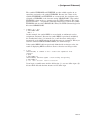
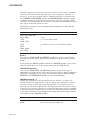
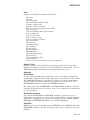
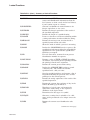
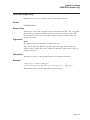
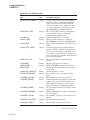
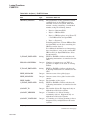
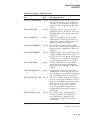
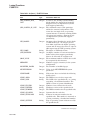
F$CONTEXT
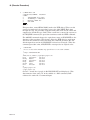
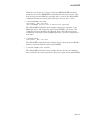
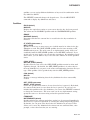
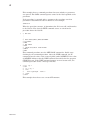
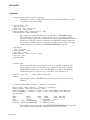
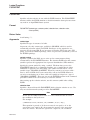
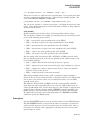
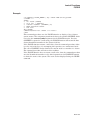
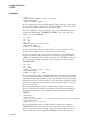
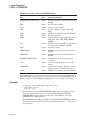
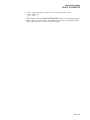
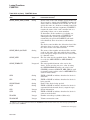
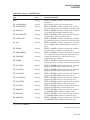
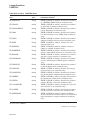
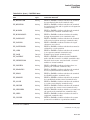
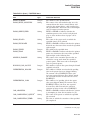
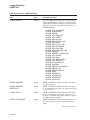
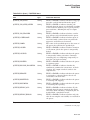
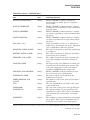
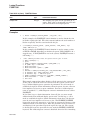
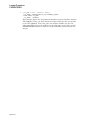
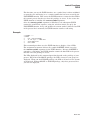
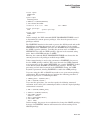
$ X = F$CONTEXT("PROCESS", ctx, "NODENAME", "MYVAX", "EQL")
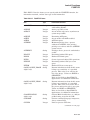
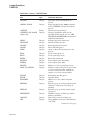
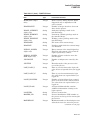
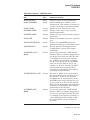
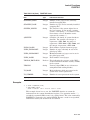
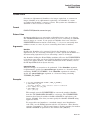
Values that are lists are valid with some selection items. If you specify more than
one item, separate them with commas ( , ). The following example specifies a list
of the nodes MYVAX, HERVAX, and HISVAX:
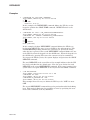
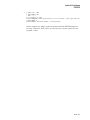
$ X=F$CONTEXT("PROCESS",ctx,"NODENAME","MYVAX,HERVAX,HISVAX","EQL")
You can use the asterisk (*) and the percent sign (%) wildcard characters for some
values. Using wildcard characters for selection items is similar to using wildcard
characters for file names.
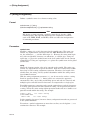
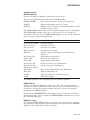
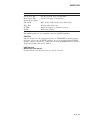
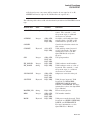
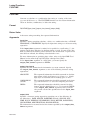
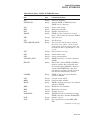
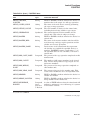
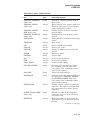
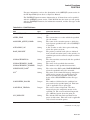
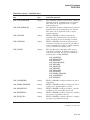
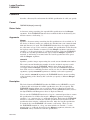
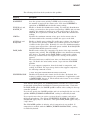
value-qualifier
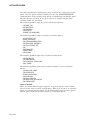
Specifies qualifiers for selection values. You must qualify selection values.
You can qualify a number, for example, by requesting that the selection be based
on one of the following process values:
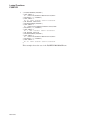
•
LSS — less than the value specified in the call to F$PID
•
LEQ — less than or equal to the value specified in the call to F$PID
•
GTR — greater than the value specified in the call to F$PID
•
GEQ — greater than or equal to the value specified in the call to F$PID
•
EQL — equal to the value specified in the call to F$PID
•
NEQ — not equal to the value specified in the call to F$PID
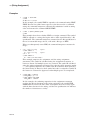
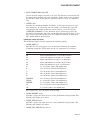
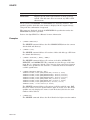
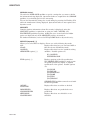
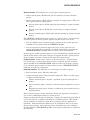
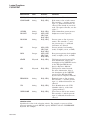
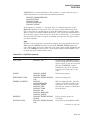
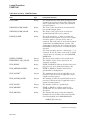
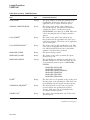
You can qualify some lists with the ALL, ANY, EQL, or NEQ keywords. Such
lists are usually masks such as the process privilege mask, which consists of the
set of enabled privileges.
•
ALL — requires that all items in the list be true for a process
•
ANY — requests that any item in the list be part of the attributes of a process
•
EQL — requires the values to match exactly (that is, values not specified
must not be true of the process)
•
NEQ — requires that the value must not match
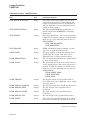
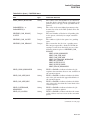
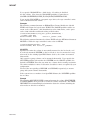
When using multiple selection values with a particular selection qualifier, a
match on any one of the selection criteria is considered valid (as if an OR operand
was in place); the selection values are not cumulative criteria (as if an AND
operand was in place).
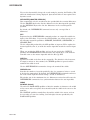
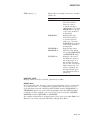
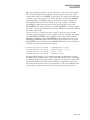
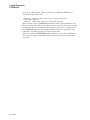
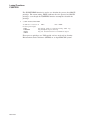
The difference between ALL and EQL is that the values specified with ALL
must exist, but other unspecified values can exist also. EQL requires that all
values specified must exist, and all others may not. For example, to request those
processes whose current privileges include TMPMBX (temporary mailbox) and
OPER (operator), but may include other privileges, specify the ALL keyword.
To request those processes whose current privileges are TMPMBX and OPER
exclusively, specify the EQL keyword.
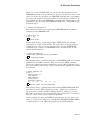
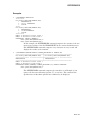
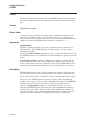
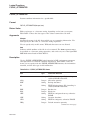
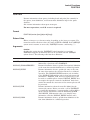
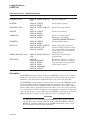
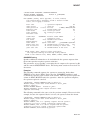
Description
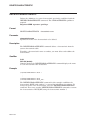
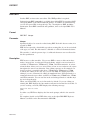
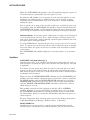
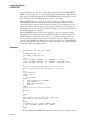
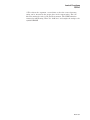
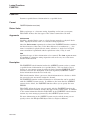
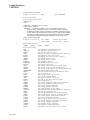
Use the F$CONTEXT function to set up selection criteria for the F$PID function.
The F$CONTEXT function is called as many times as necessary to produce the
criteria needed; however, each call can specify only one selection item. Lists of
item values are allowed, where appropriate, and more than one context can be
operated upon at a time.
DCLI–321