1
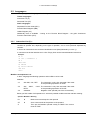
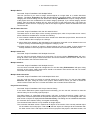
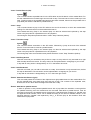
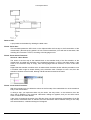
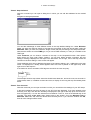
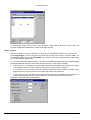
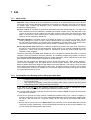
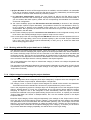
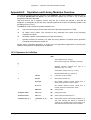
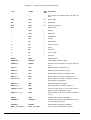
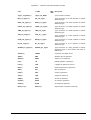
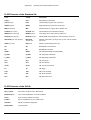
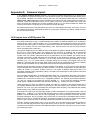
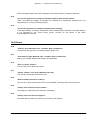
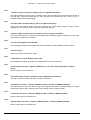
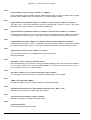
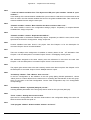
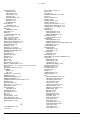
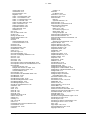
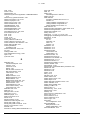
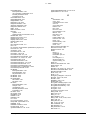
Appendix J: - Recommendations on the naming of identifiers
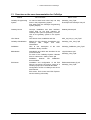
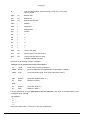
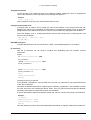
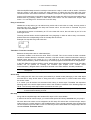
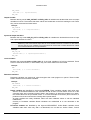
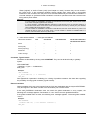
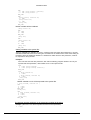
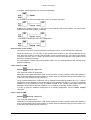
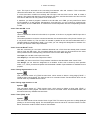
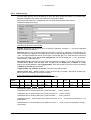
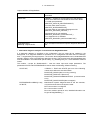
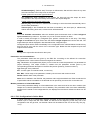
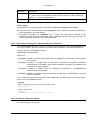
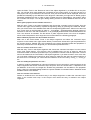
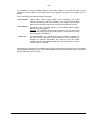
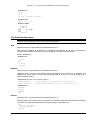
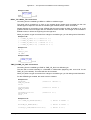
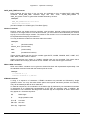
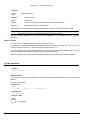
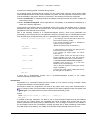
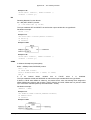
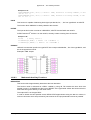
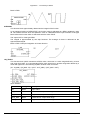
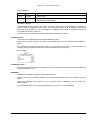
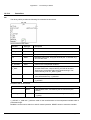
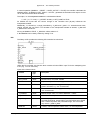
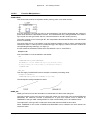
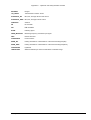
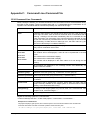
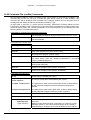
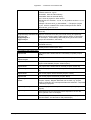
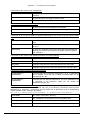
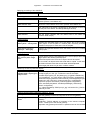
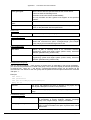
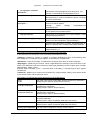
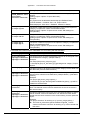
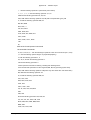
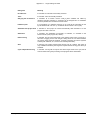
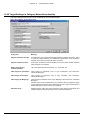
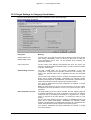
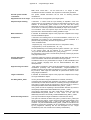
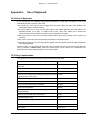
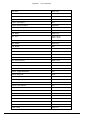
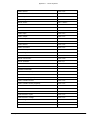
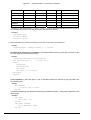
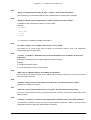
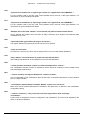
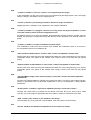
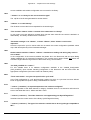
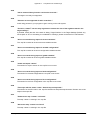
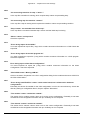
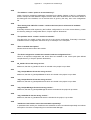
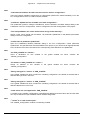
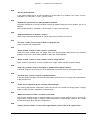
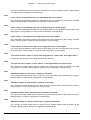
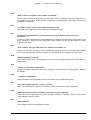
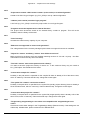
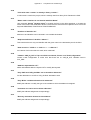
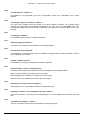
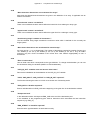
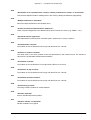
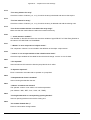
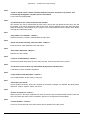
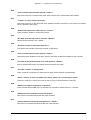
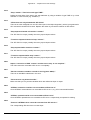
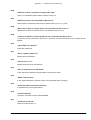
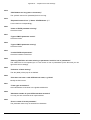
TIME
tim
TIME_OF_DAY
tod
DATETIME
dt
DATE
date
ENUM
16 Bit
e
POINTER
p
ARRAY
a
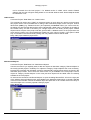
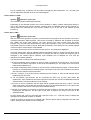
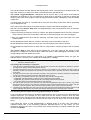
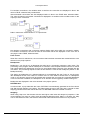
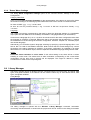
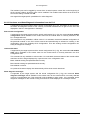
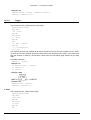
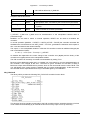
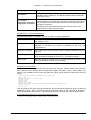
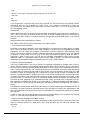
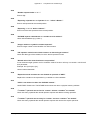
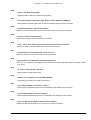
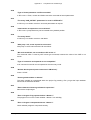
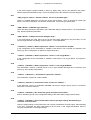
* pointedly for BOOLean variables x is chosen as prefix, in order to differentiate from BYTE and also in order to
accommodate the perception of an IEC-programmer (see addressing %IX0.0).
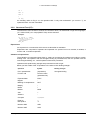
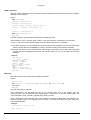
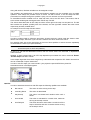
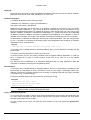
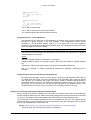
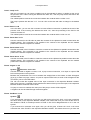
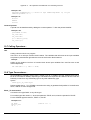
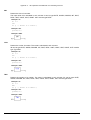
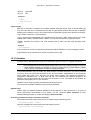
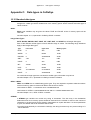
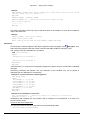
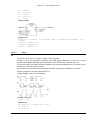
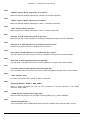
Examples:
bySubIndex: BYTE;
sFileName: STRING;
udiCounter: UDINT;
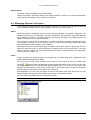
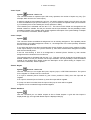
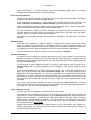
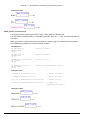
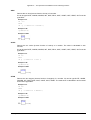
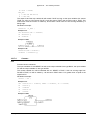
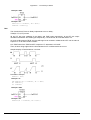
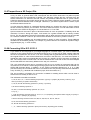
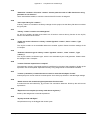
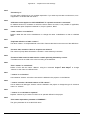
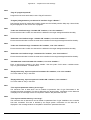
In nested declarations the prefixes are attached to each other in the order of the declarations:
Example:
pabyTelegramData: POINTER TO ARRAY [0..7] OF BYTE;
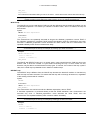
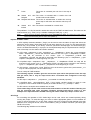
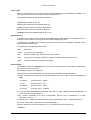
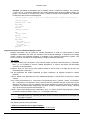
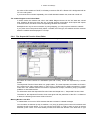
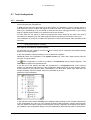
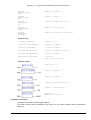
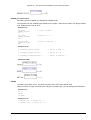
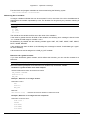
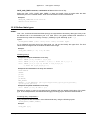
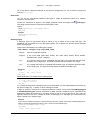
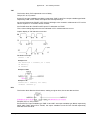
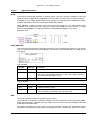
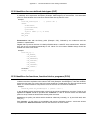
Function block instances and variables of user-defined data types as a prefix get a shortcut for the
FB- resp. data type name (Example: sdo).
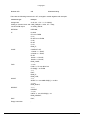
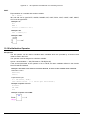
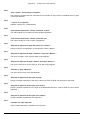
Example:
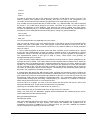
cansdoReceivedTelegram: CAN_SDOTelegram;
TYPE CAN_SDOTelegram :
(* prefix: sdo *)
STRUCT
wIndex:WORD;
bySubIndex:BYTE;
byLen:BYTE;
aby: ARRAY [0..3] OF BYTE;
END_STRUCT
END_TYPE
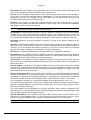
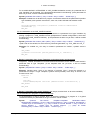
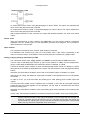
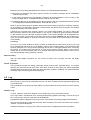
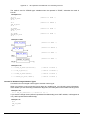
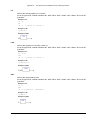
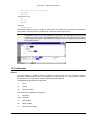
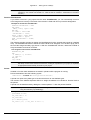
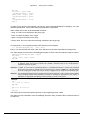
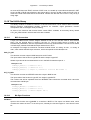
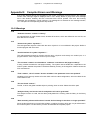
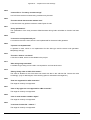
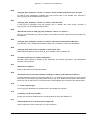
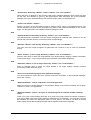
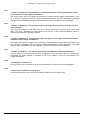
Local constants (c) start with prefix c and an attached underscore, followed by the type prefix and
the variable name.
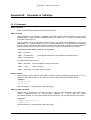
Example:
VAR CONSTANT
c_uiSyncID: UINT := 16#80;
END_VAR
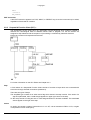
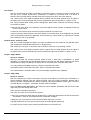
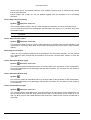
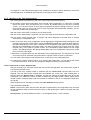
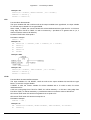
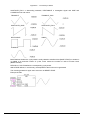
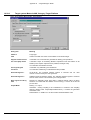
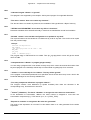
For Global Variables (g) and Global Constants (gc) an additional prefix + underscore is attached to the
library prefix:
Examples:
VAR_GLOBAL
CAN_g_iTest: INT;
END_VAR
VAR_GLOBAL CONSTANT
CAN_gc_dwExample: DWORD;
END_VAR
10-104
CoDeSys V2.3