1
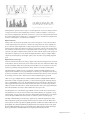
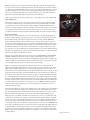
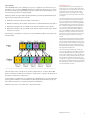
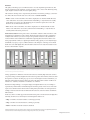
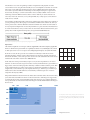
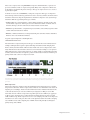
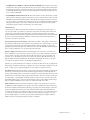
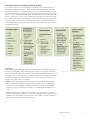
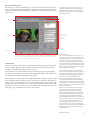
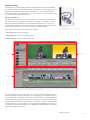
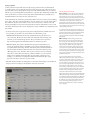
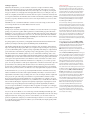
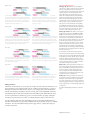
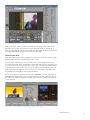
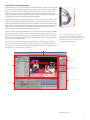
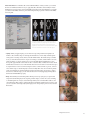
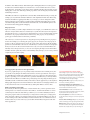
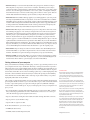
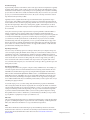
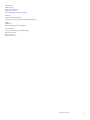
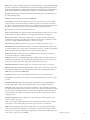
Figure 1a: Analog signal
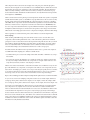
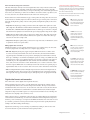
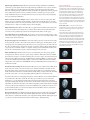
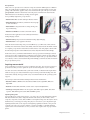
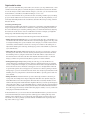
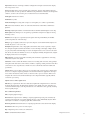
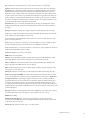
Figure 2a: Analog signal with noise from
systems electronics or recording tape
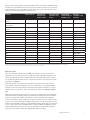
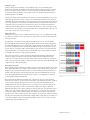
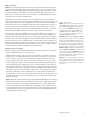
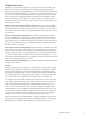
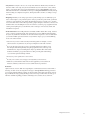
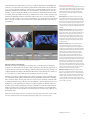
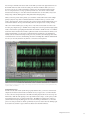
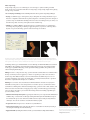
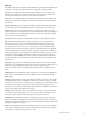
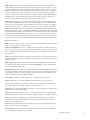
Figure 1b: Digital signal
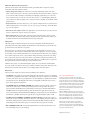
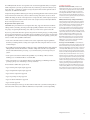
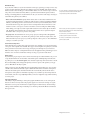
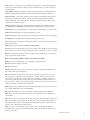
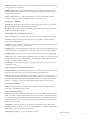
Figure 2b: Digital (binary) signal with noise
With digital, the signal recorded on a tape or sent through the air consists of nothing more than
a string of one and zeroes that a digital player converts to numbers and then to sounds or pictures. Because a digital player only reads one and zeroes, it can more easily discriminate between
the original signal and noise (Figure 2b). So a digital signal can be transmitted and duplicated as
often as you want with no (or very little) loss in fidelity.
Digital audio basics
Analog audio is an electrical representation of sound. A microphone or some other transducer
converts rapid changes in air pressure to variations in voltage. Electronic devices amplify and
process the audio signal. Digital audio is a digital representation of analog audio: An analog-todigital converter samples the variations in voltage at set intervals, generates a list of binary numbers, and then saves the bit stream to a computer hard disk, records it on tape, or streams it over
a network. The quality of digitized audio and the size of the audio file depend on the sample rate
(the number of samples per second) and the bit depth (the number of bits per sample). Higher
sample rates and bit depths produce higher-quality sound, but with correspondingly larger file
sizes.
Digital video has come of age
Video has made the transition from analog to digital. This transition has happened at every level
of the industry. At home and at work, viewers watch crystal-clear video delivered via DVDs, digital cable, and digital satellite. In broadcasting, standards have been set and stations are moving
towards programming only digital television (DTV). In time, we will all be watching DTV.
The full transition to digital, however, won’t happen overnight. And although there is much
digital content available now, TV programming is, for the most part, still engineered for analog
production. Nonetheless, the U.S. Government has mandated a full conversion of U.S. television
broadcasting to DTV in order to make better use of the available frequency spectrum.
There are two types of digital television: standard definition (SDTV) and high definition (HDTV).
SDTV offers resolution roughly equivalent to a conventional analog signal, with image display
ratios or aspect ratios of 4:3 or 16:9. The ATSC HDTV format used in the U.S. offers the potential for approximately twice the horizontal and vertical resolution of current analog television,
which can result in about five times as much visual information. It also takes approximately five
times the bandwidth to broadcast as SDTV. HDTV has a 16:9 aspect ratio.
Not all digital TV sets on the market support HDTV, even the sets with 16:9 widescreens. But
virtually all new sets today are, at least, SDTV-ready, meaning that they are equipped to accept
a digital signal. You can connect DV camcorders, digital VCRs, and DVD players to new digital
TV sets through an IEEE 1394 or DVI connector to achieve a pristine, noiseless picture.
Even high-end filmmaking is transitioning to digital. Today, viable HD digital video formats
deliver magnificent quality for both high-end motion pictures and broadcast TV. Many major
motion pictures contain footage that was digitally generated or enhanced. A number of films are completely digital: shot, edited, and finished using digital cameras and computers. For those who prefer
the look of film, digital effects can be used to add the texture of film to the impeccably clean images.
In fact, producers have a virtually limitless choice of grain and textures they can add.
A Digital Video Primer