1
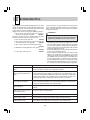
T ROUBLESHOOTING
If you answer "NO" to any question first check that the
oven is plugged in properly and the fuse has not blown, if
there is no fault with either, check against the troubleshooting chart below.
If you think the oven is not working properly there are some
simple checks which you can carry out yourself before you
call for an engineer. This will help prevent unnecessary
service calls if the fault is something simple.
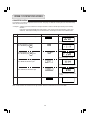
Simply answer "YES" or "NO" to the following questions:
1 Do the oven lamp and fan motor come on for 1
minute when you open the door?
YES/NO
Put half a cup of water on the ceramic floor in the oven
and close the door. Cook for 1 minute at 100%.
2 Does the oven lamp come on?
YES/NO
3 Does the fan motor work? (Check by placing your
hand above the air vent openings)
YES/NO
4 After 1 minute does the "Beep" signal sound?
YES/NO
5 And did the heating indicator "ON" go out?
YES/NO
6 Is the water in the cup hot?
YES/NO
! WARNINGS:
• Never adjust, repair or modify the oven yourself,
or allow anyone other than a Service Technician,
appointed by SHARP to carry out the service.
• The door seal stops microwave leakage during oven
operation, but does not form an airtight seal. It is normal to see drops of water, light or feel warm air around
the oven door. Food with a high moisture content will
release steam and cause condensation inside the door
which may drip from the oven.
• Repairs & Modifications: Do not attempt to operate the
oven if it is not working properly.
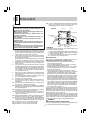
• Outer Cabinet & Lamp Access: Never remove the outer
cabinet. This would be very dangerous due to high
voltage parts inside which must never be touched, as
this could be fatal, As your oven has a removable cover
over oven light bulb, it is possible for you to replace
the light bulb yourself with care. The light bulb can be
purchased from Sharp Electronics (U.K.) Ltd. See page
30. Unplug the oven before replacing the light bulb.
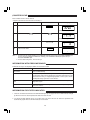
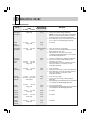
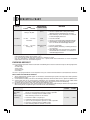
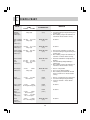
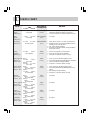
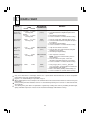
PROBLEM
POSSIBLE CAUSE
Draught circulates around the
door.
When oven is working, air circulates within the cavity. The door does not
form an airtight seal so air may escape from the door.
Condensation forms in the
oven, and may drip from the
door.
The oven cavity will normally be colder than the food being cooked, and so
steam produced when cooking will condense on the colder surface. The
amount of steam produced depends on the water content of the food being
cooked. Some foods, such as potatoes have a high moisture content. Condensation trapped in the door glass should clear after a few hours.
Flashing or arcing from within
the cavity when cooking.
Arcing will occur when a metallic object comes into dose proximity to the
oven cavity during cooking. This may possibly roughen the surface of the
cavity, but would not otherwise damage the oven.
Arcing potatoes.
Ensure all "eyes" are removed and place in a heat resistant flan dish or
similar.
After setting the time, the
oven does not start.
Check the door is closed properly.
Oven cooks too slowly.
Ensure correct power level has been selected.
Oven makes a noise.
The microwave energy pulses ON/OFF during cooking/defrosting.
Outer cabinet is hot.
The cabinet may become warm to the touch - keep children away
29