1
General
lot line is directly installed to the Model DDX Deluge Valve’s
pushrod chamber. Wet pilot line sprinklers are detection devices and do not provide any water to aid in the firefighting
capability of the fire sprinkler system.
To fully operate a Wet Pilot Line Single Interlock Preaction
System, the heat from a fire must fuse a wet pilot line sprinkler/detector thereby releasing the water pressure from the
Deluge Valve’s pushrod chamber. As this water pressure is
lost in this chamber, the main water supply will open the Deluge Valve’s clapper, thereby flowing water into the fire sprinkler piping. Water flowing into the system will flow through
the intermediate chamber of the deluge valve to a mechanical sprinkler alarm (optional) and/or will simultaneously produce water pressure that causes the transfer of contacts in
the (optional) alarm pressure switch mounted in the trim. If
provided, the alarm pressure switch can electrically initiate
the shut-down or start up of equipment, such as computer,
HVAC, or other secondary alarm devices (Note: the wiring
contacts for the alarm pressure switch are the “Common”
and “A” contacts). The flow of water into the sprinkler system piping converts the dry system into a wet system. In the
event that the fire subsequently produces enough heat to
operate a fire sprinkler head, water will flow from that sprinkler, controlling or suppressing the fire.
The fire sprinkler system piping may be required to be
supervised (see NFPA 13) with air pressure. Loss of this
supervisory air due to a damaged sprinkler or the sprinkler piping will not cause the Model DDX Deluge Valve to
open. The supervisory air supply for the fire sprinkler piping
may effectively be supervised by Reliable’s Model B-SI Air
Compressor Panel or Reliable’s Model C-SI Air Compressor
Panel. Other options include the use of the Reliable NS-PaK
or Nitrogen Regulator with an approved nitrogen source, the
Reliable Model A-2 Pressure Maintenance Device with a
tank-mounted air compressor, or a tank-less air compressor
controlled by a pressure switch or the Reliable Model B-1 Air
Maintenance Device. (See Reliable Bulletin 254).
In Electric Actuation Single Interlock Preaction Systems, when one electrical detector senses the presence of
fire, the electrical releasing control panel activates fire alarm
devices and operates the normally-closed solenoid valve
(175 psi (12,1 bar) or 300 psi (20,7 bar) Rated) to the open
position (Note: Arranging detectors in a cross-zoned pattern will require operation of two detectors before the solenoid valve can open). The solenoid valve, when closed, retains sufficient water pressure in the pushrod chamber of the
Model DDX Deluge Valve to maintain it closed. Energizing
the solenoid valve relieves the water pressure, thus opening
the Deluge Valve and allowing water to flow into the sprinkler
system.
To fully operate a cross-zoned single interlock system, two
electrical detectors must activate and a sprinkler head must
open. During the early stages of a fire, smoke or heat activates the first detector, which causes the control panel to
produce a local alarm and an alarm at the main fire alarm
panel. Electrical relays inside the releasing control panel
can be used to shut down air moving equipment or activate
security doors and other electrical devices when the panel
goes into the first alarm condition. Subsequent activation of
Single Interlock Preaction Systems are designed for water
sensitive areas that require protection from inadvertent water
flow into the sprinkler system piping.
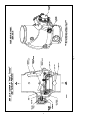
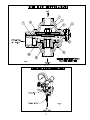
At the heart of Reliable’s Single Interlock Preaction Systems is the Model DDX Deluge Valve. This deluge valve is
a hydraulically operated, straight-through-design, differential latching clapper-type (see Fig. 1). System maintenance
is simplified since the deluge valve can be reset externally
without removing its cover plate. This feature provides a significant system-restoration time advantage. The Model DDX
Deluge Valve has an intermediate chamber and thereby
does not require an in-line air check valve. Also, for ease
of installation, the deluge valve only requires a single drain
connection.
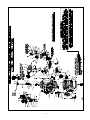
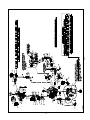
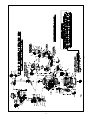
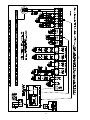
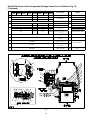
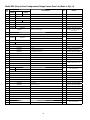
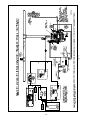
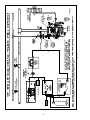
The trim sets for the single interlock preaction systems
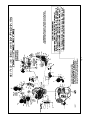
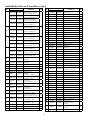
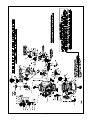
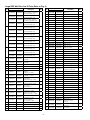
(see Figs. 3, 4, 5, 6, 7 and 8) provide all of the necessary
equipment for connections to the Model DDX Deluge Valve’s
pushrod chamber inlet and outlet ports, a 1¼” (30 mm) main
drain on 2” (50 mm), 2½” (65 mm), 76 mm and 3” (80 mm)
valve sizes or a 2” (50 mm) main drain on 4” (100 mm), 165
mm, 6” (150 mm) and 8” (200 mm) valve sizes, alarm devices, air supply, and required pressure gauges. The trim
sets are available in individual (loose) parts, in time-saving,
segmented assembled kit forms or fully assembled to the
Model DDX Deluge Valve (with or without a control valve).
The major benefits of a single interlock preaction system,
when compared with a wet pipe or deluge system are as
follows:
• A fire alarm sounds prior to the operation of a sprinkler
head, which may enable extinguishing the fire by handheld means before the actual operation of any sprinklers
and subsequent water damage.
• A trouble annunciator signals whenever the integrity of
the piping or sprinklers is accidentally or intentionally
disturbed; however, no water flow or water damage will
occur at that time.
• Speedy detection and an early fire alarm are provided
by fire detectors, without the delay associated with water delivery time in the event of a fire. Note that with a wet
pipe system, the fire alarm is delayed until after water
has begun flowing from an operated sprinkler head.
Sprinkler piping in Wet Pilot and Electric Actuation Single
Interlock Preaction Systems can effectively be supervised
by means of a Reliable Model B-SI Air Compressor Panel or
Model C-SI Air Compressor Panel. Loss of 7 psi (0,5 bar)
supervising pneumatic pressure, due to a damaged sprinkler or sprinkler pipe will not cause water to flow through the
Model DDX Deluge Valve and into the system piping. A significant loss of pneumatic pressure will activate a troubleannunciating device when the system pressure falls below
approximately 4 psi (0,3 bar). Note: Wherever the word “air”
is used in this bulletin as a reference to the pneumatic pressure source it shall also mean “air or nitrogen.”
Wet Pilot Line Single Interlock Preaction Systems use
a pilot line consisting of a line of closed sprinklers or pilot
line detectors (Reliable’s Model F1-FTR), which are located
in the area to be protected. These sprinklers/detectors are
more sensitive (lower activation temperature) than the sprinkler heads installed in the fire sprinkler system. The wet pi2.