1
29. Mutex Core
Core Overview
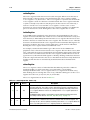
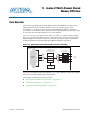
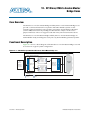
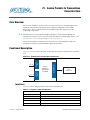
Multiprocessor environments can use the mutex core with Avalon® interface to
coordinate accesses to a shared resource. The mutex core provides a protocol to ensure
mutually exclusive ownership of a shared resource.
The mutex core provides a hardware-based atomic test-and-set operation, allowing
software in a multiprocessor environment to determine which processor owns the
mutex. The mutex core can be used in conjunction with shared memory to implement
additional interprocessor coordination features, such as mailboxes and software
mutexes.
The mutex core is designed for use in Avalon-based processor systems, such as a
Nios® II processor system. Altera provides device drivers for the Nios II processor to
enable use of the hardware mutex.
The mutex core is SOPC Builder-ready and integrates easily into any SOPC
Builder-generated system. This chapter contains the following sections:
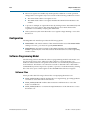
■
“Functional Description”
■
“Software Programming Model” on page 29–2
■
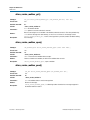
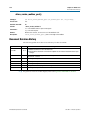
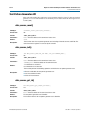
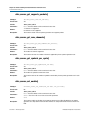
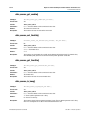
“Mutex API” on page 29–3
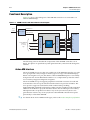
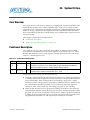
Functional Description
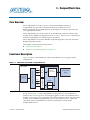
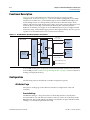
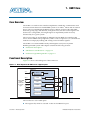
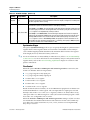
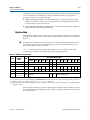
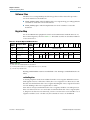
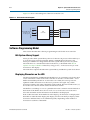
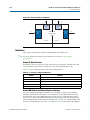
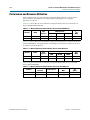
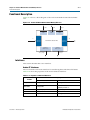
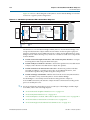
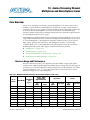
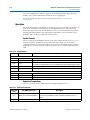
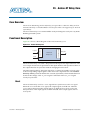
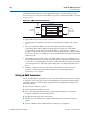
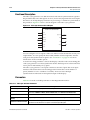
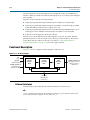
The mutex core has a simple Avalon Memory-Mapped (Avalon-MM) slave interface
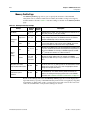
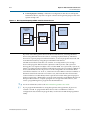
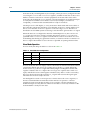
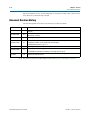
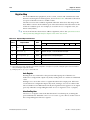
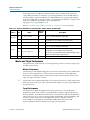
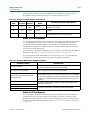
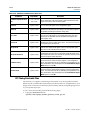
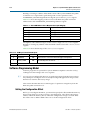
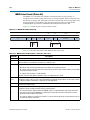
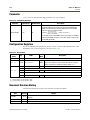
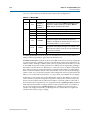
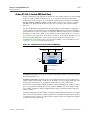
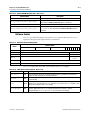
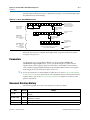
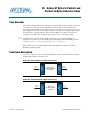
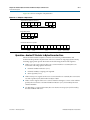
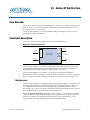
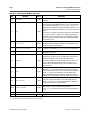
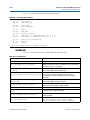
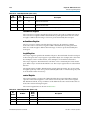
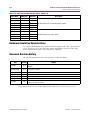
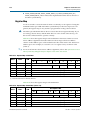
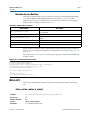
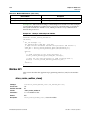
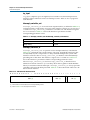
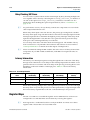
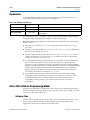
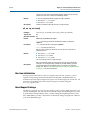
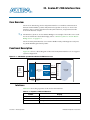
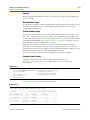
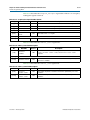
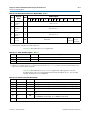
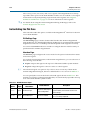
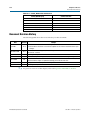
that provides access to two memory-mapped, 32-bit registers. Table 29–1 shows the
registers.
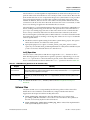
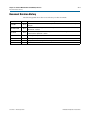
Table 29–1. Mutex Core Register Map
Bit Description
Offset
Register Name
R/W
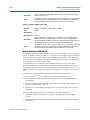
31
0
mutex
RW
1
reset
RW
16
15
OWNER
1
0
VALUE
Reserved
RESET
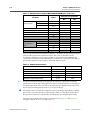
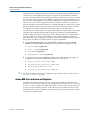
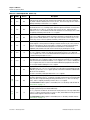
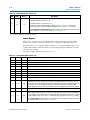
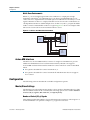
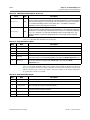
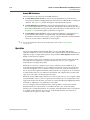
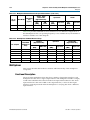
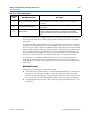
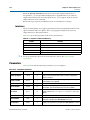
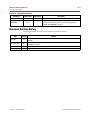
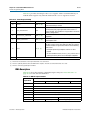
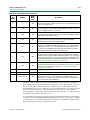
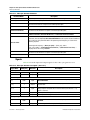
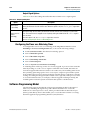
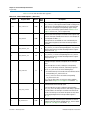
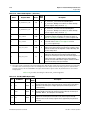
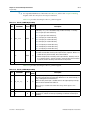
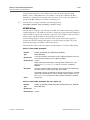
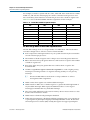
The mutex core has the following basic behavior. This description assumes there are
multiple processors accessing a single mutex core, and each processor has a unique
identifier (ID).
June 2011
■
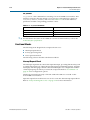
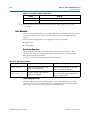
When the VALUE field is 0x0000, the mutex is unlocked and available. Otherwise,
the mutex is locked and unavailable.
■
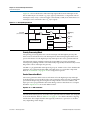
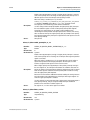
The mutex register is always readable. Avalon-MM master peripherals, such as a
processor, can read the mutex register to determine its current state.
Altera Corporation
Embedded Peripherals IP User Guide