1
HDF User’s Guide
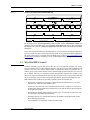
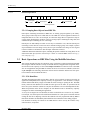
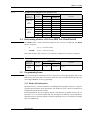
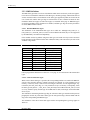
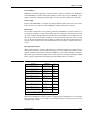
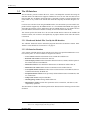
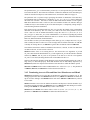
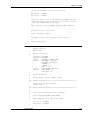
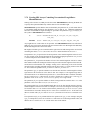
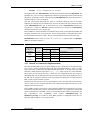
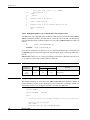
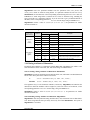
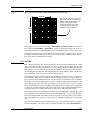
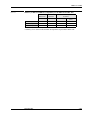
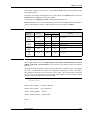
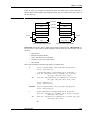
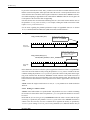
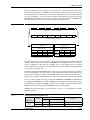
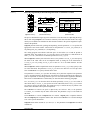
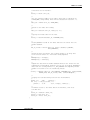
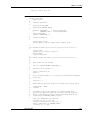
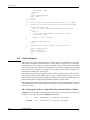
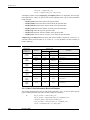
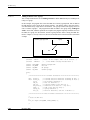
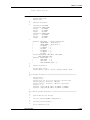
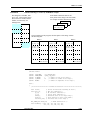
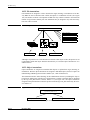
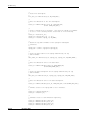
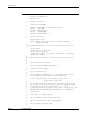
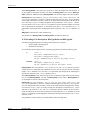
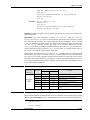
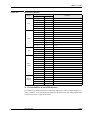
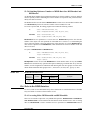
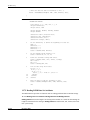
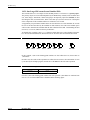
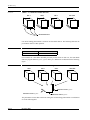
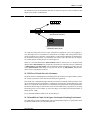
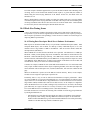
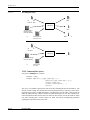
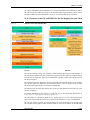
FIGURE 14m
Number of Seeks Needed to Access a Row of Data in a Chunked SDS
4 seeks are needed to find the
starting location of a 1,400
integer row of data in a
chunked data array with 400
x 400 integer chunks.
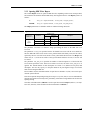
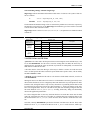
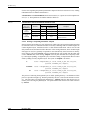
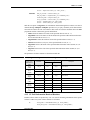
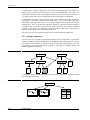
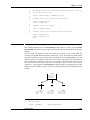
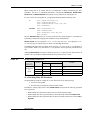
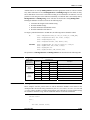
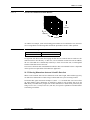
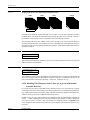
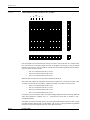
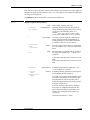
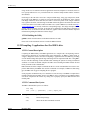
To read the aforementioned column of data, five chunks must be read into memory in order to
access the 2,000 locations of the subset. Therefore, five seeks to the starting location of each of
these chunks are necessary to complete the read operation, far fewer than the 2,000 needed in the
non-chunked SDS.
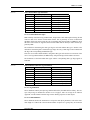
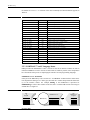
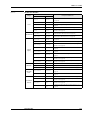
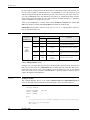
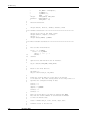
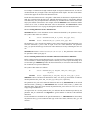
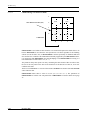
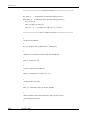
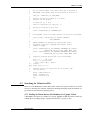
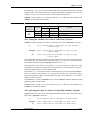
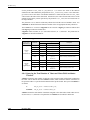
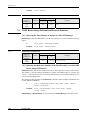
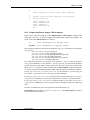
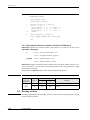
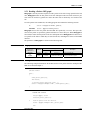
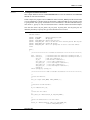
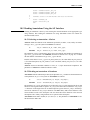
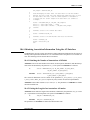
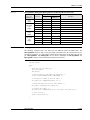
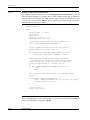
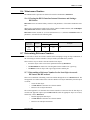
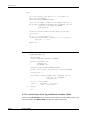
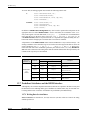
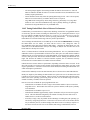
FIGURE 14n
Number of Seeks Needed to Access a Column of Data in a Chunked SDS
5 seeks are needed to find the
starting location of a 2,000
integer column of data in a
chunked data array with 400 x
400 integer chunks. (Each arrow
represents one seek.)
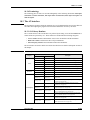
These examples show that, in many cases, chunking can be used to reduce the I/O overhead of
subsetting, but in certain cases, chunking can impair I/O performance.
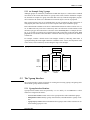
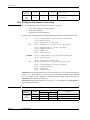
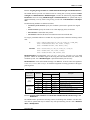
The efficiency of subsetting from chunked SDSs is partly determined by the size of the chunk: the
smaller the chunk size, the more seeks will be necessary. Chunking can substantially improve I/O
performance when data is read along the slowest-varying dimension. It can substantially degrade
performance when data is read along the fastest-varying dimension.
December 2007
14-421