1
100
The HALCON Parameter Classes
#include "HalconCpp.h"
#include "HIOStream.h"
#if !defined(USE_IOSTREAM_H)
using namespace std;
#endif
using namespace Halcon;
main ()
{
HByteImage in("mreut");
HWindow w;
in.Display(w);
HImageByte out = in;
int width = out.Width();
int height = out.Height();
long end
= width * height;
// 1. run: linear accessing
for (long k = 0; k < end; k++)
out[k] = 255 - in[k];
// Displaying the transformation
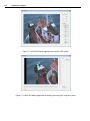
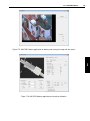
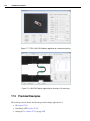
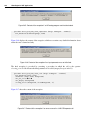
cout << "Transformed !" << endl;
cout << "Original !"
<< endl;
//
//
//
//
//
//
//
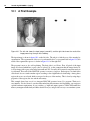
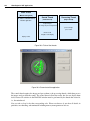
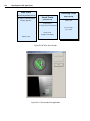
Aerial image
Output window
Displaying the image
Copying the image
Width of the image
Height of the image
Number of pixel of the image
// Reading and setting the pixel
out.Display(w);
in.Display(w);
w.Click();
w.Click();
// // 2. run: accessing the image via the coordinates (x,y)
for (int y=0; y<height; y++)
for (int x=0; x<width; x++)
out(x,y) = 255 - out(x,y);
// Reading and setting the pixel
// Displaying the transformation
cout << "Transformed !" << endl;
cout << "Original !"
<< endl;
out.Display(w);
in.Display(w);
w.Click();
w.Click();
}
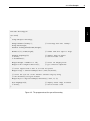
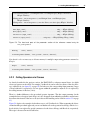
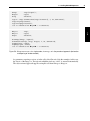
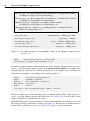
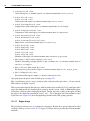
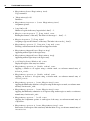
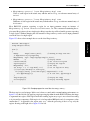
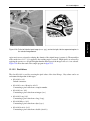
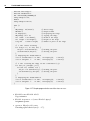
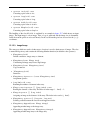
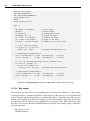
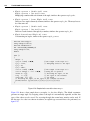
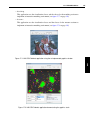
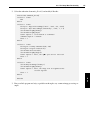
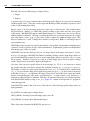
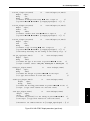
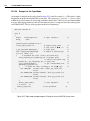
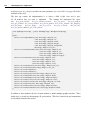
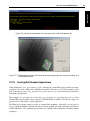
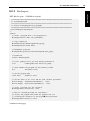
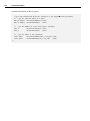
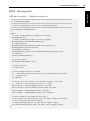
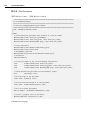
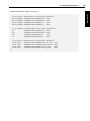
Figure 12.8: Sample program for accessing a pixel value using the class HByteImage.
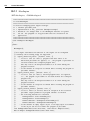
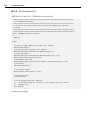
12.1.2.4 Byte Images
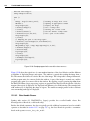
For each pixel type, there exists a corresponding image class derived from HImage, e.g., HByteImage
for the pixel type byte (standard 8 bit pixels) or HInt2Image for the pixel type int2 (unsigned 16 bit
pixels). The most important derived class is naturally HByteImage, as this pixel type still covers the
majority of all applications in the field of image processing. The advantage of the class HByteImage
in comparison to the class HImage is the simplified access to the pixel values. This is because the class
HPixVal is not necessary. Besides the member functions of HImage, the class HByteImage contains the
following extensions:
• HByteImage(void)
Default constructor.