1
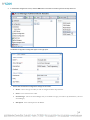
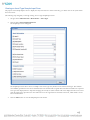
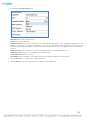
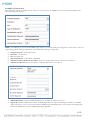
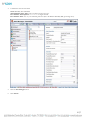
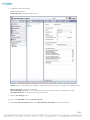
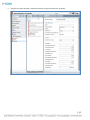
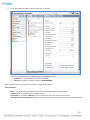
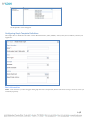
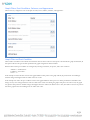
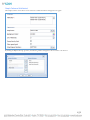
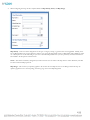
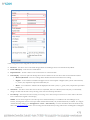
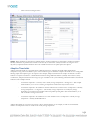
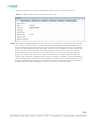
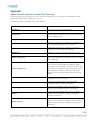
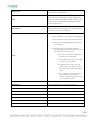
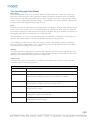
Entity Type Attribute Properties
Required
If true, upon creation of an Entity a user must provide a value for this attribute.
Static
A static entity type attribute is an attribute which is an instance of the Entity Type and
not the Entity. In this case, the Entity Type stores the current value and the history of
the attribute. For example, a location Entity Type defines a static attribute named “city”
with the value “Austin”. All Entities which have a typeref attribute whose value is
“location” then will also have an attribute named “city” with the value “Austin”.
A non-static entity type attribute makes an attribute available for the Entity to define.
For example, a “Server” Entity Type may have the attribute “RAM”. In this case
different servers have different amounts of RAM therefore the “RAM” attribute should
be non-static.
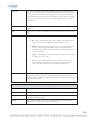
Deletable
Describes whether or not a user can delete this attribute class. Attribute Class objects
defined by the Asset Manager and not a user are marked as non-deletable.
Value
For static attributes this defines the value of the attribute. For non-static attributes this
defines a default value. When a user creates an Entity the non-static attribute is
populated with the default value which the user may change.
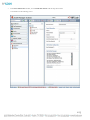
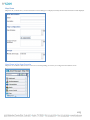
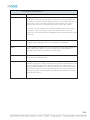
Sort Priority
Defines the sort order for attributes on the Entity user interface (UI). Attributes with a
lower sort priority are displayed first.
Category
Attributes with the same category are shown on the Entity UI grouped together within
a titled box. Category has a lower precedence than sort priority as a result attributes with
the same category may appear in two different titled boxes. For example, suppose an
entity type contains attributes “city” with sort priority 100 and “state” with sort priority
300 both in the “location” category and a third attribute “host” with sort priority 200
and category “network”. In this example, the UI will have three titled boxes, “location”,
“network” and “location”.
261