1
technical assistance, equipment may remain inoperative
or damaged for extended periods of time. To alleviate
these situations, the Navy has developed a system of
repining and monitoring equipment casualties.
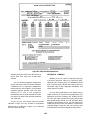
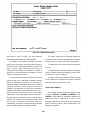
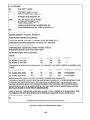
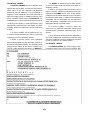
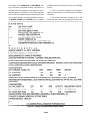
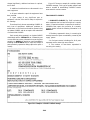
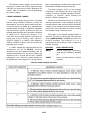
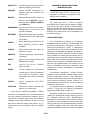
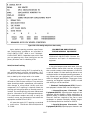
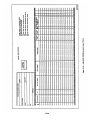
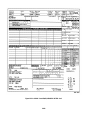
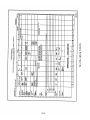
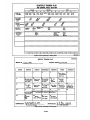
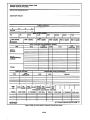
parties concerned are provided with a CSRR Detailed
Discrepancy Report (fig. 13-3) and a CSRR Summary
Report (fig. 13-4).
It is important that you become actively involved in
an assigned CSRR/CSRT. It is an excellent means of
identifying fictional and procedural deficiencies that
may exist within your equipment or work centers.
Detailed guidelines for CSRR/CSRT procedures are
contained in COMNAVSURFLANT(PAC) INST
9093.1.
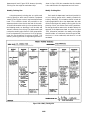
The casualty report (CASREP) system has been
designed to support the Chief of Naval Operations and
fleet commanders in the management of assigned
forces. The effective use and support of Navy forces
require an up-to-date, accurate operational status for
each unit. An important part of operational status is
casualty information. With this system, Navy managers
are kept aware of when we need such things as repair
parts or assistance to maintain maximum equipment
efficiency. When casualties are reported, operational
commanders and support personnel are alerted to the
status of significant equipment malfunctions that may
result in the degradation of a unit’s readiness. The
CASREP also reports the unit’s need for technical
assistance and/or replacement parts to correct the
casualty. Once a CASREP is submitted, CNO, fleet
commanders in chief (FLTCINCs), and the Ships Parts
Control Center (SPCC) receive a hard copy of the
message. Additionally, the CASREP message is
automatically entered into the Navy Status of Forces
CASUALTY REPORT (CASREP)
SYSTEM
LEARNING OBJECTIVES: Discuss and
demonstrate a working knowledge of the
casualty report system.
As the LPO or LCPO, the number of systems and
ancillary equipment you become involved with is going
to increase. Because of such factors as lack of
experienced personnel, lack of repair parts, or a need of
Figure 13-3.—CSRR Detailed Discrepancy Report.
13-6