1
NDSU
Root Locus for Systems with Complex Poles
ECE 461
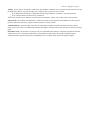
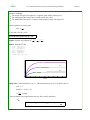
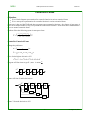
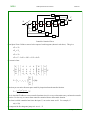
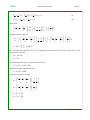
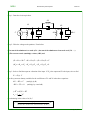
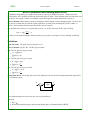
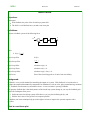
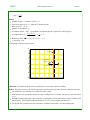
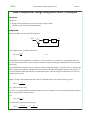
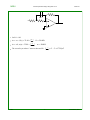
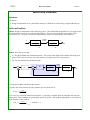
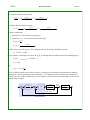
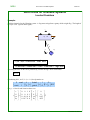
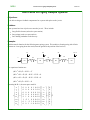
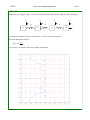
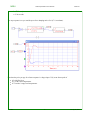
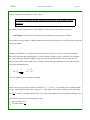
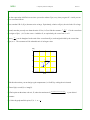
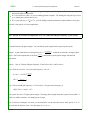
Note that the denominator's roots are what we normally see: the poles are the poles of G and K. The zeros are the
zeros of K and G. The numerator avoids a zero at s=0 this way.
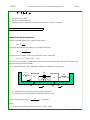
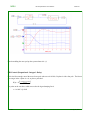
Now, find how much friction to add (find k).
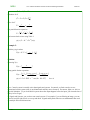
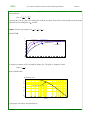
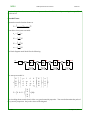
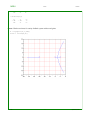
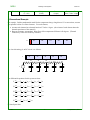
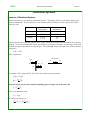
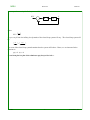
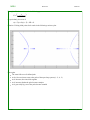
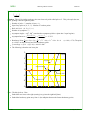
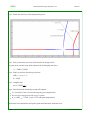
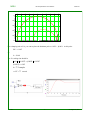
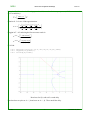
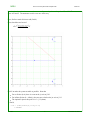
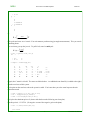
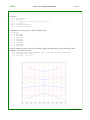
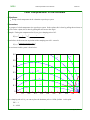
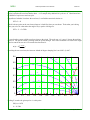
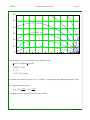
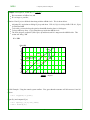
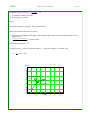
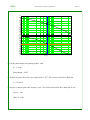
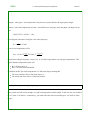
First, sketch the root locus of
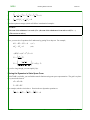
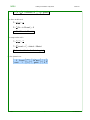
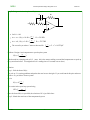
0.5(s+j3.13)(s−j3.13)
sX ≈ ⎛⎝ s(s+j3.83)(s−j3.83) ⎞⎠ F
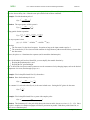
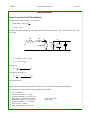
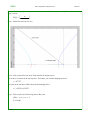
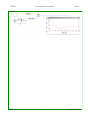
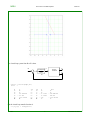
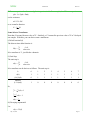
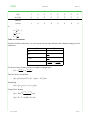
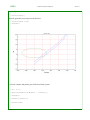
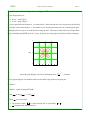
Pick 'k' to make the system as stable as possible. Note that
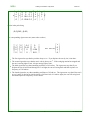
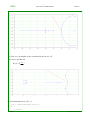
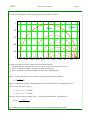
For no friction (k=0), there is a root on the jw axis at j3.83.
For infinite friction (k = infinity), the root moves back to the jw axis at j3.13.
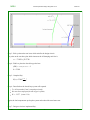
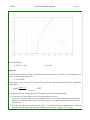
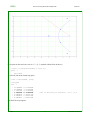
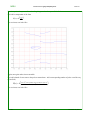
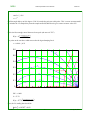
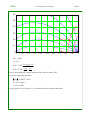
The 'optimal' k places this pole at -0.5 + j3.5 (about).
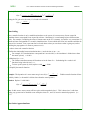
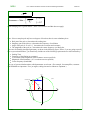
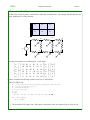
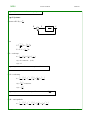
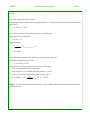
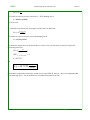
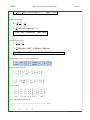
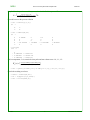
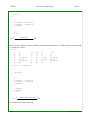
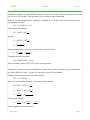
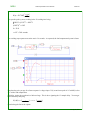
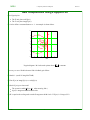
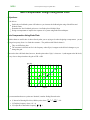
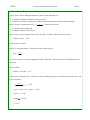
To find k,
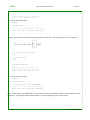
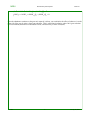
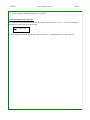
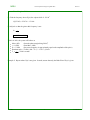
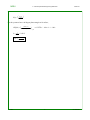
-->k = 1/abs(evalfr(G,-0.4+j*3.5))
7.4105997
JSG
6
rev October 19, 2009