1
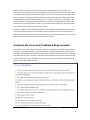
{Read Card}
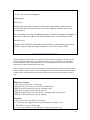
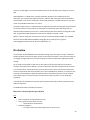
3. The system reads the bank card information from the card.
{Authenticate Customer}
4. Include use case Authenticate Customer to authenticate the use of the bank card by the
individual using the machine.
{Select Withdrawal}
5. The system displays the different service options that are currently available on the
machine.
6. The Customer selects to withdraw cash.
{Select Amount}
...
Alternative flows:
...
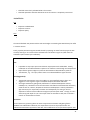
5.1.1 Handle the Withdrawal of a Non-Standard Amount
At {Select Amount} if the Customer requires a non-standard amount,
1. The system asks the Customer for the required amount indicating that the
amount entered must be a multiple of the smallest denomination note held and
must be below the amount of the ATM's withdrawal limit and the amount of
currency held by the machine.
2. The Customer enters the desired amount.
3. Resume the basic flow at {Confirm Withdrawal}.
...
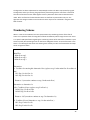
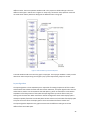
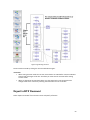
---Figure 3 Problem with Labels Approach
The other approach, that references the parent flow by step type, does not have the problem with
cluttering. However this makes it a lot harder to know by heart where in the parent flow that the
alternative refers to and there is therefore an increased need to search back and forth in the
document.
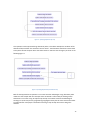
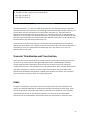
There are also examples of less structured ways of writing the alternatives like Figure 4 (17) below. In
this case the alternative does not have an exact reference to where in the main flow it fits in. This is
instead described in the text in the alternative which is a much less exact way of referencing than the
two referencing techniques described above. For this simple use case the imprecise referencing still
works fairly well but for more complex use cases it would cause readability problems and unclear
requirements.
14