1
AN001 MD5
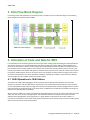
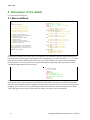
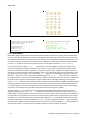
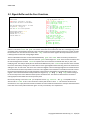
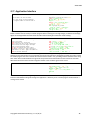
low 16 bit word of 32 bit lookup table
both partner nodes start at the same address
to make it easier for nodes 202 and 102
to get this node started
message digest labeled a b c d
message sub-block is m
function of b c d + a is f
rotation amount is s
- 115 low data 0 org
A478 , B756 , 70DB , CEEE ,
FAF , C62A , 4613 , 9501 ,
98D8 , F7AF , 5BB1 , D7BE ,
1122 , 7193 , 438E , 821 ,
2562
105D
CDE6
E905
, B340 , 5A51 , C7AA ,
, 1453 , E681 , FBC8 ,
, 7D6 , D87 , 14ED ,
, A3F8 , 2D9 , 4C8A ,
3942
EA44
7EC6
D039
,
,
,
,
F681
CFA9
27FA
99E5
,
,
,
,
6122
4B60
3085
7CF8
,
,
,
,
380C
BC70
1D05
5665
,
,
,
,
2244
59C3
7E4F
7E82
,
,
,
,
FF97
CC92
E6E0
F235
,
,
,
,
23A7
F47D
4314
D2BB
,
,
,
,
A039
5DD1
11A1
D391
,
,
,
,
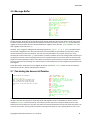
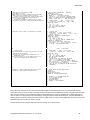
1032 list
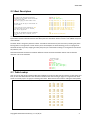
- 214 114 constant generator rotator adder
here * 0 org
get 00 -n east b! @p .. @+ !p .. !b @b ;
go 04 west a! east b!
@p !b .. dup or a! ..
63 for b @ f @ m @ . + t get +c
a push s @ rotate +c pop a! a ! next ;
14 * org
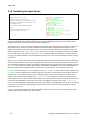
5.3.1 How it Works
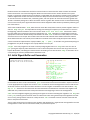
Block 1032 is compiled code, rather than just data. Since this is appnote number one, we'll go into more detail about
the source code than will probably be the case in later appnotes. Remember that red words are names, green words
are compiled, yellow words are executed. Block 1032 is common to and compiled for both nodes 214 and 114. get is
the same in each node. It grabs the next constant from the neighbor to the right (east). And each node has the same
source for go, though as you'll see in the next two blocks, they call different versions of rotate and +c.
get writes the instruction word @+ !p .. to the right port. The right neighbor is waiting on that port for this
instruction, having had its A register initialized to zero. The result is that a value is retrieved from the table and the
pointer is incremented for next time. The idiom in arrayforth is to point the A or B register to a neighbor's port and
then fetch a word of instruction and store that word to the port. The code for get begins by storing the address of the
right (east) port into the B register. This is followed by @p ... @p fetches the following word in memory onto the
data stack. .. aligns memory to the nearest word by padding with nops. @+ !p .. is the instruction word that will
be placed on the stack. It is meant to be executed by the neighbor in its right port and what it does there is to fetch the
next piece of data, increment the data pointer, and send the data back to the neighbor listening on the right port.
Finally !b @b ; will be executed on the local node to send the instruction word to its neighbor and receive the data
word being sent back. That was a lot to say about a small amount of code, but this code must be understood for the
rest of the program to make any sense. By the way, code intended to be executed on another node is yellow only by
convention. For F18A target code, opcodes have the same behavior whether green or yellow.
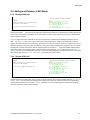
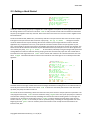
The main program go first initalizes the A and B registers to point right and left (west and east). Then the east
neighbor is told to execute dup or a! .. which initializes the data pointer by putting a zero into A for the first
table reading. The rest of the word is a for next loop that runs 64 times. Three words are fetched from the neighbor to
the west; B of the message digest, the result of the current function, and the current message fragment. The top two
are added, get fetches a constant from the east and that's added with +c, resolving the accumulated carry. Now
we save the value of A on the return stack because rotate is going to change the A register. @ gets the rotation
amount from our neighbor to the west and the rotation is performed. The result is added via +c to what was left on
the stack earlier and A is restored in order to send the result back to the west neighbor for storage.
8
Copyright© 2010-2013 GreenArrays, Inc. 10/23/14