1
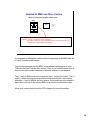
Addressable Physical Memory
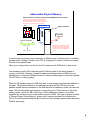
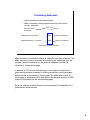
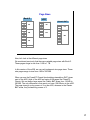
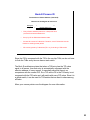
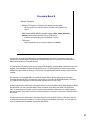
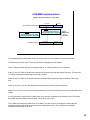
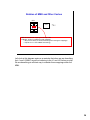
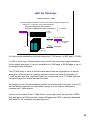
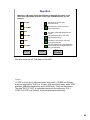
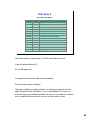
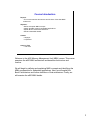
Mouse over the L2 and L3 caches and the RAM block to learn more.
Typically, the caches closest to the CPU are the fastest
(and most expensive); therefore, they are the smallest.
Then, there is a hierarchy of caches that increase in size as
they decrease in cost (and increase in access times).
CPU
fetch
Physical (Real)
LSU
0
Pages or Blocks
RAM
MMU
L2
IL1
L3
DL1
•
•
Program addresses
A0
A31
0000_0000
OS
•
07FF_FFFF
128M
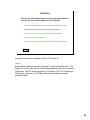
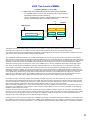
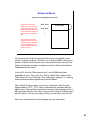
RAM is slower, but considerably cheaper
than the memories used for caches, and
the total amount of RAM is typically less
than the full memory range allotted to the
software.
•
•
FFFF_FFFF
•
4G
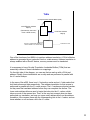
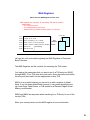
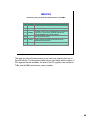
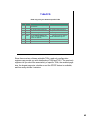
A typical computer system uses a hierarchy of different types of memory that is invisible to
the application software. Closest to the CPU is a hierarchy of caches. Caches are usually
filled on an as-needed basis.
Move your mouse pointer over the L2 and L3 caches and the RAM block to learn more.
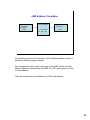
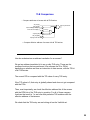
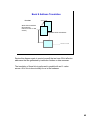
The operating system (OS) treats the system RAM as cache for the actual image of
memory on the disk. However, instead of replacing individual entries in RAM on an asneeded basis, it loads the RAM with chunks of memory called pages or blocks as required.
This OS action is called “paging”.
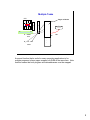
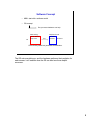
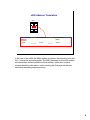
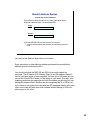
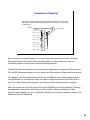
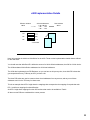
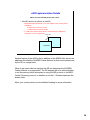
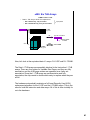
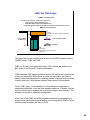
When the OS brings a page into RAM from disk, it must assign a physical base address to
the page. This physical address is the address encoding that the CPU drives on the
address signals that are connected to the RAM devices in hardware in order to access the
page. This scheme allows each program to use memory as if it had access to the entire
memory space, which is 4 GB in the case of 32-bit addresses. However, most often
programs are running out of a much smaller amount of RAM. This type of system is called
a “Demand Paged Virtual Memory” system, and it requires a scheme for informing the
CPU of the actual physical address bits to drive onto the hardware signals when accessing
RAM for each page.
2