1
User Manual
Edition January 2014
TEMPPO V6.1
JUnit
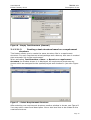
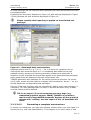
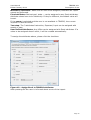
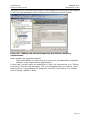
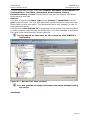
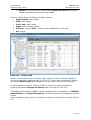
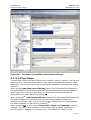
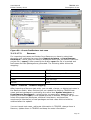
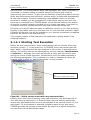
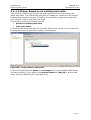
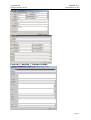
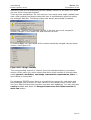
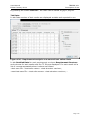
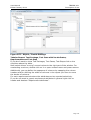
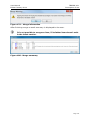
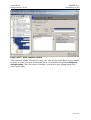
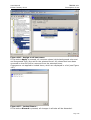
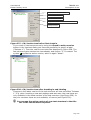
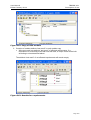
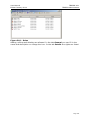
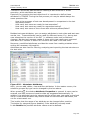
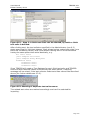
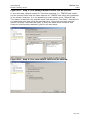
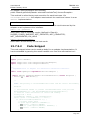
Referencing the JUnit class file: In the Automation panel, each test case
contains a reference to the file where its code is defined. This is a JUnit class file
and its path is written like in Java. E.g., a reference that reads
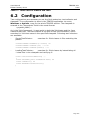
junit.samples.VectorTest refers to a class file ...\junit\samples\VectorTest.class.
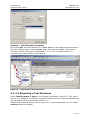
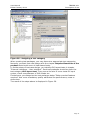
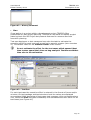
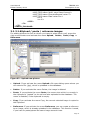
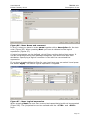
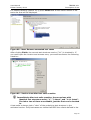
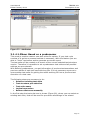
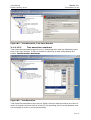
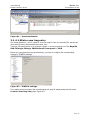
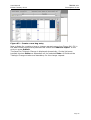
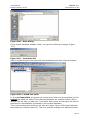
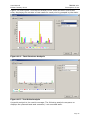
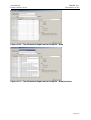
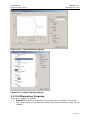
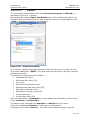
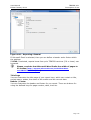
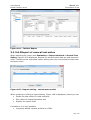
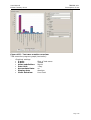
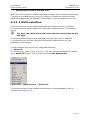
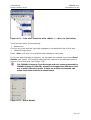
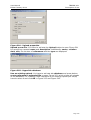
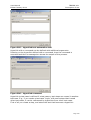
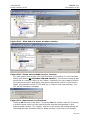
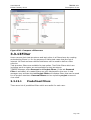
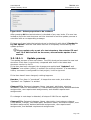
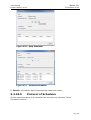
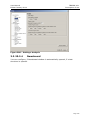
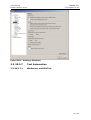
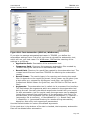
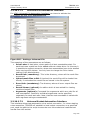
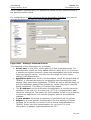
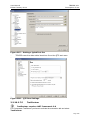
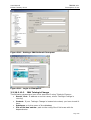
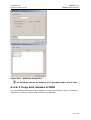
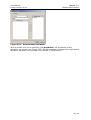
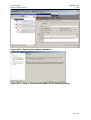
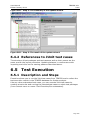
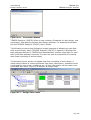
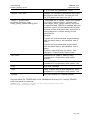
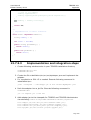
Figure 361 – Step 5: Reference to the JUnit class file.
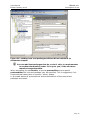
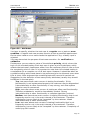
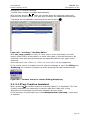
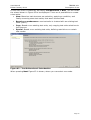
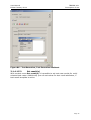
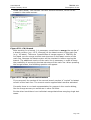
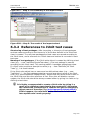
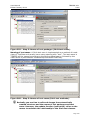
Referencing the JUnit test method: In addition, each TEMPPO test case
knows the name of its JUnit test method. This information is kept in the Script
Data field of the Automation panel (see above).
The values of the JUnit class file and the test method name are
editable for each test case. However, if you change these
values, TEMPPO will no longer be able to find the JUnit test
method. In addition, the synchronization with a newer version
of the JUnit class file will be considerably hampered (see
update function below).
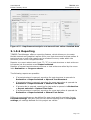
6.4 Update JUnit test cases
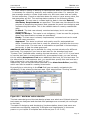
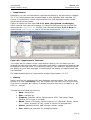
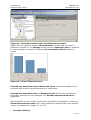
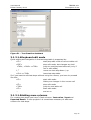
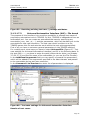
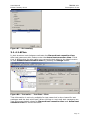
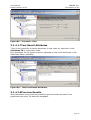
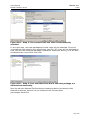
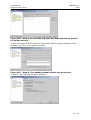
JUnit test suites and their test methods evolve over time. The update function
makes it possible to synchronize these changes with the TEMPPO test structure
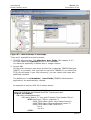
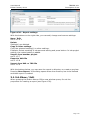
contents. As mentioned above, the names of test packages and test cases are
used as references to the corresponding JUnit suites and test methods. So in
order to make the update work as you would expect it, do not change any of the
following items:
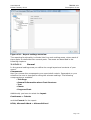
−
Names of test packages
−
Names of test cases
−
Entries in test case Automation tabs
Page 275