1
Chapter 2: Parsing
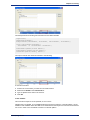
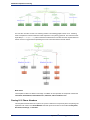
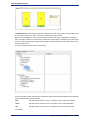
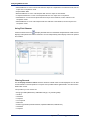
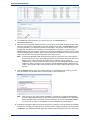
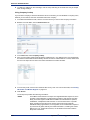
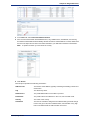
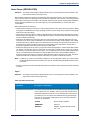
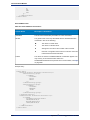
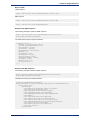
This dataflow template is available in Enterprise Designer. Go to File > New > Dataflow > From template
and select ParseChineseNames. This dataflow requires the Data Normalization Module.
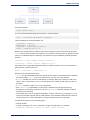
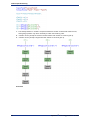
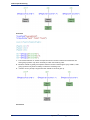
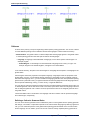
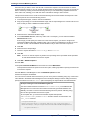
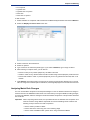
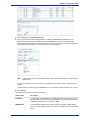
In this dataflow, data is read from a file and processed through the Open Parser stage. For each data
row in the input file, this data flow will do the following:
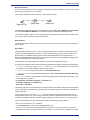
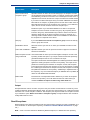
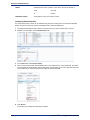
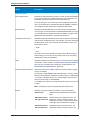
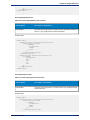
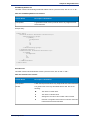
Read from File
This stage identifies the file name, location, and layout of the file that contains the names you want to
parse. The file contains both male and female names.
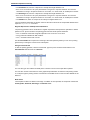
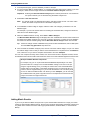
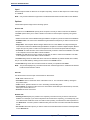
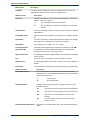
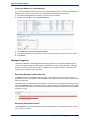
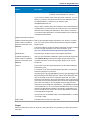
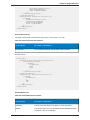
Open Parser
This stage defines whether to use a culture-specific domain grammar created in the Domain Editor or
to define a domain-independent grammar. A culture-specific parsing grammar that you create in the
Domain Editor is a validated parsing grammar that is associated with a culture and a domain. A
domain-independent parsing grammar that you create in Open Parser is a validated parsing grammar
that is not associated with a culture and domain.
In this template, the parsing grammar is defined as a domain-independent grammar.
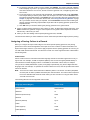
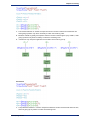
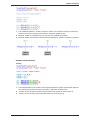
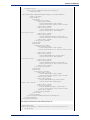
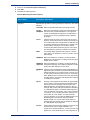
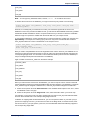
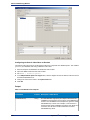
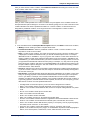
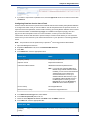
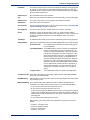
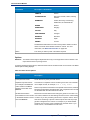
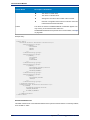
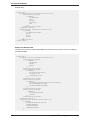
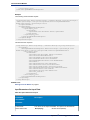
The Open Parser stage contains a parsing grammar that defines the following commands and expressions:
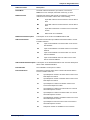
• %Tokenize is set to None. When Tokenize is set to None, the parsing grammar rule must include
any spaces or other token separators within its rule definition.
• %InputField is set to parse input data from the Name field.
• %OutputFields is set to copy parsed data into two fields: LastName and FirstName.
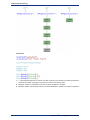
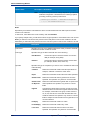
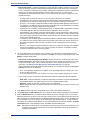
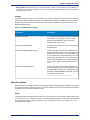
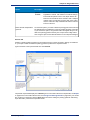
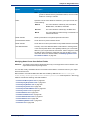
The <root> expression defines the pattern for Chinese names:
• One occurrence of LastName
• One to three occurrences of FirstName
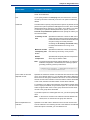
The rule variables that define the domain must use the same names as the output fields defined in the
required OutputFields command.
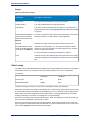
The CJKCharacter rule variable defines the character pattern for Chinese/ Japanese/Korean (CJK).
The character pattern is defined so as to only use characters that are letters.The rule is:
<CJKCharacter> = @RegEx("([\p{InCJKUnifiedIdeographs}&&\p{L}])");
• The regular expression \p{InX} is used to indicate a Unicode block for a certain culture, in which X
is the culture. In this instance the culture is CJKUnifiedIdeographs.
• In regular expressions, a character class is a set of characters that you want to match. For example,
[aeiou] is the character class containing only vowels. Character classes may appear within other
character classes, and may be composed by the union operator (implicit) and the intersection operator
(&&). The union operator denotes a class that contains every character that is in at least one of its
operand classes. The intersection operator denotes a class that contains every character that overlaps
the intersected Unicode blocks.
• The regular expression \p{L} is used to indicate the Unicode block that includes only letters.
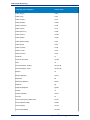
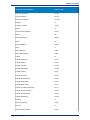
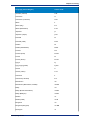
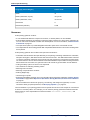
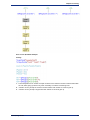
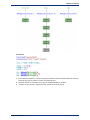
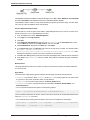
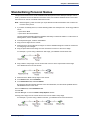
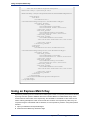
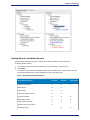
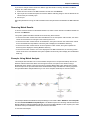
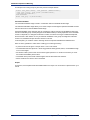
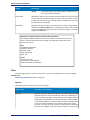
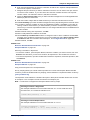
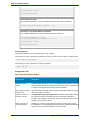
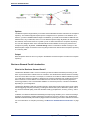
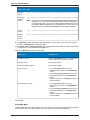
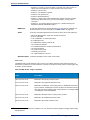
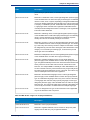
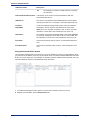
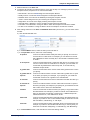
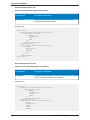
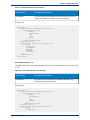
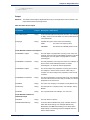
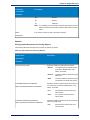
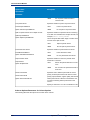
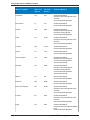
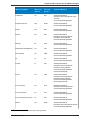
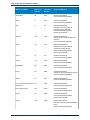
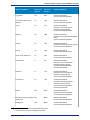
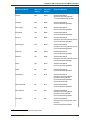
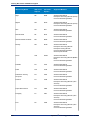
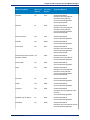
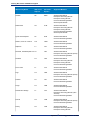
To test the parsing grammar, click the Preview tab. Type the names shown below in the Name field and
then click Preview.
Data Quality Guide
55