1
1.0 Introduction
1.2 Contraindications
The WalkAide is a battery-operated, single-channel electrical stimulator that can be used for
functional electrical stimulation (FES). It utilizes a tilt sensor and accelerometer to control
the timing and duration of the stimulation during walking. A hand switch on the WalkLink is
used by the clinician during set-up to manually trigger stimulation. The clinician uses the
WalkAnalyst software on a laptop computer to program the tilt sensor in the WalkAide. Use of
the Tilt Sensor to trigger stimulation eliminates the need for additional components or external
wires.
The WalkAide produces controlled dorsiflexion of the foot during walk. This small medical
device attaches to a molded cuff located just below the knee. Two electrodes are specifically
placed over the motor nerve and proximal musculature. During the gait cycle, the WalkAide
stimulates the common peroneal nerve which innervates the tibialis anterior and other
muscles that produce dorsiflexion of the ankle. Candidates include people who have lost the
ability to voluntarily lift their foot during walking, often as a result of damage to the central
nervous system from conditions such as stroke, incomplete spinal cord injury, traumatic brain
injury, cerebral palsy and multiple sclerosis. This type of stimulation will not work for people
who have damage to the lower motor neurons/peripheral nerves.
•• Do not use on persons with implanted demand type cardiac pacemakers or defibrillators.
•• Do not place the electrodes in the carotid sinus region (throat). Laryngeal or pharyngeal
spasms may occur when the electrodes are placed across the throat or in the mouth.
•• Do not place the electrodes over malignant tumors.
•• Do not place the electrodes over areas in which symptoms of existing thrombosis are
present.
•• Do not use if person has a history of seizure disorder.
1.3 Warnings About FES
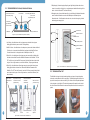
Monitoring Equipment - The use of FES may interfere with the proper functioning of
electronic monitoring equipment such as EKG machines. However, the operation of the FES
device will not be affected by the use of electronic monitoring equipment.
MRI - The WalkAide should not be worn while receiving any MRI scan.
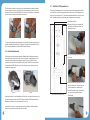
Electrodes - The use of electrodes not supplied by Innovative Neurotronics may diminish
results or increase risk of burns or discomfort. Do not place electrodes over open wounds,
broken skin or metal objects beneath the skin such as surgical staples.
Pregnancy - The safety of FES for use during pregnancy has not been established.
Hospital Equipment - Do not use simultaneously with high frequency hospital equipment
(e.g. diathermy equipment). It may result in burns at the site of the stimulator electrodes and
possible damage to the stimulator.
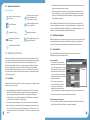
Skin Irritation - Improper or prolonged use of electrodes may result in increased risk of skin
irritation or burns and decreased effectiveness. Infrequently, there is an allergic response
to the electrode adhesive or gel. Do not place electrodes on skin that is already irritated as
this will increase the risk of discomfort with stimulation and the risk of further skin irritation or
burns.
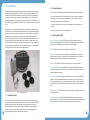
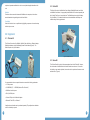
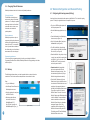
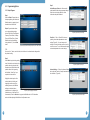
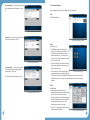
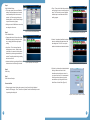
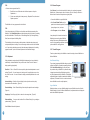
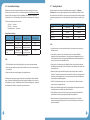
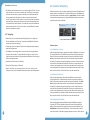
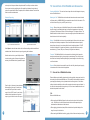
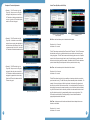
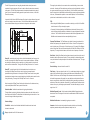
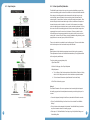
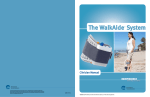
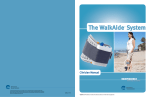
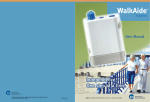
Figure 1: The WalkAide System
1.1 Indications of Use
2
The Innovative NeurotronicsWalkAide System is intended to address foot drop for people
who have sustained damage to upper motor neurons in the brain or the spinal cord. Medical
benefits of functional electrical stimulation may include a decrease in muscle disuse,
decreased muscle weakness, increased local blood flow, improved muscle strength and
voluntary motor control, increased joint range of motion, and enhanced function of the
corticospinal pathways resulting in improved lower limb control.
Medical Supervision - FES should only be used under the medical supervision of a physician
and a qualified clinician.
Two-Way Radios - Care should be taken while using FES therapy in close proximity (e.g.
less than 1 meter) to devices which emit radio frequencies such as cellular phones or two-way
radios as some types of transmitters may cause undesirable stimulation to the user.
3