1
D3.2 Initial management guide of the testbed
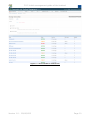
Name
Arch. Group Name
Arch.
Group
UPC-lab104-f002
i686
DSG
BCNSjmalta-outdoor
i686
Guifi.net
UPC-lab104-f103
i686
DSG
Manresa-PF
i586
Guifi.net
UPC-lab104-f102
i686
DSG
Manresa-SantaCaterina i586
Guifi.net
UPC-lab104-f101
i686
DSG
Manresa-JoanXXIII
i586
Guifi.net
UPC-C6E206DSG
i686
DSG
Manresa-PTST
i586
Guifi.net
UPC-D6-105
i686
DSG
Manresa-PuigBerenguer i586
Guifi.net
UPC-H
i586
DSG
Manresa-SantIgnasi
i586
Guifi.net
UPC-A1
i586
DSG
UPC-Vertex-Pangea
i686
Pangea
The CONFINE system is compatible with most of the computers based on an
Intel x86 CPU. The ones selected for the subproject confine@home have the
following characreristics:
• CPU Intel Atom N2600
• 2GB DD3 RAM
• 128GB SSD SATA3
• 2x Gigalan Ethernet Port
• 1x WiFi Atheros card (not used)
There is no fan or other mobile components.
iMinds has also started collaborating with the local community network, in
order to be able to generate data from this network. Node hardware has been
bought for one location at their campus and helped install hardware for two
other locations at our campus.
In November 2012, iMinds contacted the local community network Wireless
Antwerpen to discuss collaboration. This would allow iMinds to study the local
context of community networking, which is very different given the Belgian
economic situation and its broadband penetration. Moreover, it would help
iMinds staff get a hands on demonstration of community networking. An
informal agreement was reached, in which iMinds purchased node hardware to
actively participate in Wireless Antwerpen and helped install these nodes on
one of the roofs of its University of Antwerp campus. With this informal
collaboration, iMinds researchers have been able to more profoundly study
community networks.
As a result, iMinds developed a community network mapper which will be
presented during the International Summit for Community Wireless Networks in
October 2013 in Berlin, see deliverable D4.8 for more information.
Another interesting collaboration involves the logging of network traffic over
the Wireless Antwerpen community network (with respect for personally
identifying information). This will allow iMinds to build models of community
network traffic, which perfectly integrate in the multiple layer approach to
community networking as outlined in deliverable D4.2.
Version 1.0 – 15/09/2013
Page 23