1
6
PyMC: Bayesian Stochastic Modelling in Python
2.6. Running the test suite
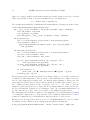
PyMC comes with a set of tests that verify that the critical components of the code work as
expected. To run these tests, users must have nose installed. The tests are launched from a
Python shell:
import pymc
pymc.test()
In case of failures, messages detailing the nature of these failures will appear.
2.7. Bugs and feature requests
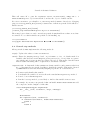
Report problems with the installation, test failures, bugs in the code or feature request on
the issue tracker at http://code.google.com/p/pymc/issues/list, specifying the version
you are using and the environment. Comments and questions are welcome and should be
addressed to PyMC’s mailing list at pymc@googlegroups.com.
3. Tutorial
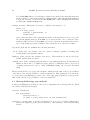
This tutorial will guide you through a typical PyMC application. Familiarity with Python is
assumed, so if you are new to Python, books such as Lutz (2007) or Langtangen (2009) are the
place to start. Plenty of online documentation can also be found on the Python documentation
page at http://www.python.org/doc/.
3.1. An example statistical model
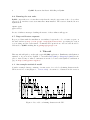
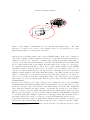
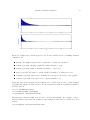
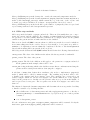
Consider a sample dataset consisting of a time series of recorded coal mining disasters in the
UK from 1851 to 1962 (Figure 1, Jarrett 1979). Occurrences of disasters in the series is
6
number of disasters
5
4
3
2
1
0
1860
1880
1900
year
1920
1940
Figure 1: Recorded coal mining disasters in the UK.
1960