1
program can choose which method to use, and environmental parameters that
indicate the precision and range of each format, so that the program can verify
that the widest fast format is wide enough (e.g., that it has wider range than
double).
3. Use a format wider than double even if it has to be emulated in software. For
more complicated programs than the Euclidean norm example, the programmer
may simply wish to avoid the need to write two versions of the program and
instead rely on extended precision even if it is slow. Again, the language must
provide environmental parameters so that the program can determine the range
and precision of the widest available format.
4. Don’t use a wider precision; round results correctly to the precision of the double
format, albeit possibly with extended range. For programs that are most easily
written to depend on correctly rounded double precision arithmetic, including
some of the examples mentioned above, a language must provide a way for the
programmer to indicate that extended precision must not be used, even though
intermediate results may be computed in registers with a wider exponent range
than double. (Intermediate results computed in this way can still incur doublerounding if they underflow when stored to memory: if the result of an arithmetic
operation is rounded first to 53 significant bits, then rounded again to fewer
significant bits when it must be denormalized, the final result may differ from
what would have been obtained by rounding just once to a denormalized
number. Of course, this form of double-rounding is highly unlikely to affect any
practical program adversely.)
5. Round results correctly to both the precision and range of the double format. This
strict enforcement of double precision would be most useful for programs that
test either numerical software or the arithmetic itself near the limits of both the
range and precision of the double format. Such careful test programs tend to be
difficult to write in a portable way; they become even more difficult (and error
prone) when they must employ dummy subroutines and other tricks to force
results to be rounded to a particular format. Thus, a programmer using an
extended-based system to develop robust software that must be portable to all
IEEE 754 implementations would quickly come to appreciate being able to
emulate the arithmetic of single/double systems without extraordinary effort.
No current language supports all five of these options. In fact, few languages have
attempted to give the programmer the ability to control the use of extended
precision at all. One notable exception is the ISO/IEC 9899:1999 Programming
Languages - C standard, the latest revision to the C language, which is now in the
final stages of standardization.
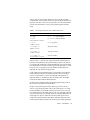
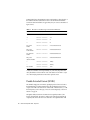
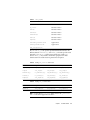
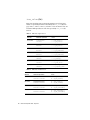
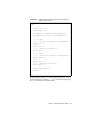
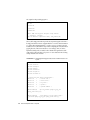
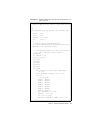
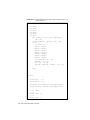
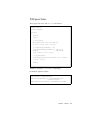
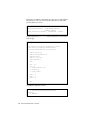
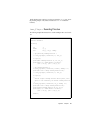
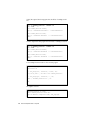
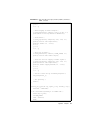
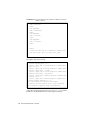
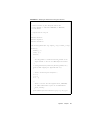
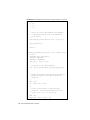
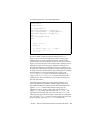
The C99 standard allows an implementation to evaluate expressions in a format
wider than that normally associated with their type, but the C99 standard
recommends using one of only three expression evaluation methods. The three
recommended methods are characterized by the extent to which expressions are
“promoted” to wider formats, and the implementation is encouraged to identify
Appendix D
What Every Computer Scientist Should Know About Floating-Point Arithmetic
247