1
21
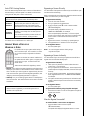
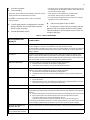
• Understand how to use your security system.
• Know the normal state of doors and windows; open, closed, or
locked.
• Use a different escape route if closed doors feel hot to the touch.
• Emphasize that everyone should escape as quickly as possible.
Do not stop to gather any belongings.
• Crawl and hold your breath as much as possible to help reduce
smoke inhalation during your escape.
• Meet at a designated outdoor location.
• Emphasize that no one should return to the premises if there is a
fire.
• Notify fire department from a neighbor’s phone.
WARNING! If you arrive at the premises and hear sirens, do not
attempt to enter the building. Call for emergency
assistance from a neighbor’s phone.
B e d ro o m
L iv in g
R o o m
D in in g
R o o m
♦
♦
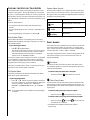
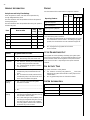
Alarm System Limitations
Not even the most advanced alarm system can guarantee protection against burglary, fire, or environmental emergencies. All alarm
systems are subject to possible compromise or failure-to-warn, for a
variety of reasons including:
• If sirens are not placed within range of persons sleeping, in
remote areas of the premises, or if they are placed behind doors
or other obstacles.
• If intruders gain access through unprotected entry points or areas
where sensors are bypassed.
• If intruders have the technical means of bypassing, jamming, or
disconnecting any or all parts of the system.
• If power to sensors is disconnected or inadequate.
• If freeze, flood, or any environmental sensors are not located in
areas where the specific condition can be detected.
• If smoke does not reach a smoke sensor. For example, smoke
sensors cannot detect smoke in chimneys, walls, roofs, or smoke
blocked by a closed door. Sensors may not detect smoke on
building levels different from their installed location. Sensors
may not warn in time when fires are caused by smoking in bed,
explosions, improper storage of flammables, overloaded electrical circuits, or other hazardous conditions.
d sm o k
te c to r
s sm o k
l if d o o
n t a n d
e d e te c to r
e d e t e c t o r is
r is n o t p r o v id e d b e t w e e n
r e c r e a tio n r o o m s .
S m
sh
tw
a r
th
B e d ro o m
H
H a ll
B e d ro o m
B e d ro o m
L iv in g
R o o m
x
B a se m e n t
D in in g
R o o m
T V
R e q u ir e
H e a t d e
In d ic a te
o p tio n a
b a se m e
B e d ro o m
K itc h e n
L iv in g
R o o m
K itc h e n
H
L iv in g
R o o m
o k e
o u ld
e e n
e a a n
e fa m
d e te c to rs
b e lo c a t e d
t h e s le e p in
d th e re s t
ily liv in g u
g
b e -
o f
n it .
B e d ro o m
R e c r e a tio n
R o o m
B e d ro o m
R o o m
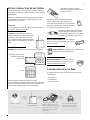
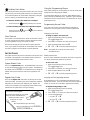
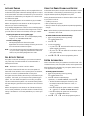
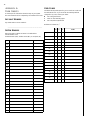
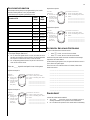
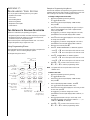
Use the following guidelines when drawing your floor plan:
Show all building levels.
Show exits from each room
(two exits per room are recommended).
Show the location of all security system components.
Show the locations of any fire extinguishers.
H
B a se m e n t
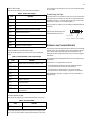
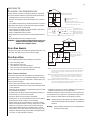
The figure on this page is an example of a multilevel floor plan. Use
it as a guide and draw your floor plan on the next page.
♦
♦
D in in g
R o o m
X
FLOOR PLAN EXAMPLE
YOUR FLOOR PLAN
A s m o k e d e t e c t o r s h o u ld
b e lo c a t e d o n e a c h le v e l.
B e d ro o m
H a ll
Develop plans for a variety of emergency situations. Periodically
discuss and rehearse emergency plans that include the following:
H a ll
APPENDIX B:
PLANNING FOR EMERGENCIES
In fa m
m o re
lo c a t e
a t e a c
ily liv
th a n
a sm
h a re
in g u n its w ith
o n e s le e p in g a r e a ,
o k e d e te c to r
a .
B e d ro o m
B e d ro o m
N O T E : C e ilin g -m o u n t e d s m o k e d e t e c t o r s s h o u ld b e lo c a t e d in t h e c e n t e r o f t h e
r o o m o r h a ll, o r n o t le s s t h a n 4 in c h e s fr o m t h e w a ll. W h e n t h e d e t e c t o r is
m o u n t e d o n t h e w a ll, t h e t o p o f t h e d e t e c t o r s h o u ld b e 4 t o 1 2 in c h e s
fr o m t h e c e ilin g .
N O T E : D o n o t in s t a ll s m o k e d e t e c t o r s w h e r e n o r m a l a m b ie n t t e m p e r a t u r e s a r e
a b o v e 1 0 0 ° F o r b e lo w 4 0 ° F . A ls o , d o n o t lo c a t e d e t e c t o r s in fr o n t o f
A C / H e a t r e g is t e r s o r o t h e r lo c a t io n s w h e r e n o r m a l a ir c ir c u la t io n w ill
k e e p s m o k e fr o m e n te r in g th e d e te c to r .
N O T E : A d d it io n a l in fo r m a t io n o n h o u s e h o ld fir e w a r n in g is a v a ila b le a t n o m in a l
c o s t fr o m : T h e N a tio n a l F ir e P r o t e c tio n A s s o c ia tio n , B a t te r y m a r c h P a r k ,
Q u in c y , M A 0 2 2 6 9 . R e q u e s t S t a n d a r d N o . N F P A 7 4 .
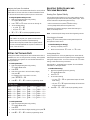
• If telephone lines are out of service. Telephone lines are also vulnerable to compromise by any of several means.
Inadequate maintenance is the most common cause of alarm failure. Therefore, test your system once each week to verify sensors,
sirens, and phone communications are all working correctly.
Note: Although having an alarm system can make you eligible for
reduced insurance premiums, the system is no substitute for
insurance.
Warning:
Security systems and devices cannot compensate you
for life or property losses.