1
58 •
AN EDUCATOR’S GUIDE
There are three primary types of
FM systems
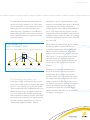
An area-wide sound field FM system will improve
the SNR in the classroom by using a microphone
(the transmitter) to amplify the teacher’s voice, and
speakers (the receivers) placed around the room.
This type of FM system has been found to benefit
normally hearing students, as well as students with
minimal hearing loss, or those who are learning
English, for example. 20
Children with hearing impairment should sit as
close to the teacher as possible to minimize the
negative impact of a noisy and reverberant classroom. A desktop speaker FM system can provide
an increase in word recognition for children with
moderate-to-severe hearing loss who have a high
level of word recognition scores in quiet.2
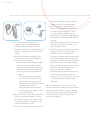
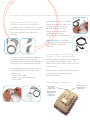
The third type of FM system is a personal FM
system, which inputs the FM signal directly into the
cochlear implant sound processor and/or hearing
aid. This type of system provides the highest
degree of benefit in most cases. But, it can also
introduce more management challenges. It
requires knowledge of how the receiver connects
to the sound processor, as well as how to adjust
the sound processor when necessary. Listening to
the sound processor and FM receiver together,
while sound is being transmitted, is also part of the
daily listening check. In contrast, systems that utilize
area-side or desktop speakers are much easier to
troubleshoot and adjust.
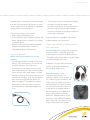
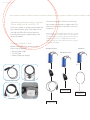
For any FM system, the teacher needs to be aware
of proper microphone placement and use. The
microphone should be worn six to eight inches
from the mouth at all times, and should point
upward and toward the mouth. Be careful that
jewelry or clothing does not generate noise that,
while probably not noticeable to you, is amplified
for the student. The cord that connects the
microphone to transmitter can sometimes also be
the antenna; therefore, it should be fully extended
as opposed to coiled for convenience. Consult the
FM manufacturer for instructions specific to the
transmitter and microphone being used.
20. American Speech-Language-Hearing Association.
(2002). Guidelines for fitting and monitoring FM systems.
ASHA Desk Reference. Crandell, C, Smaldino, J, & Flexer,
C: An Overview of Sound Field FM Amplification.
The Hearing Review