1
The C and C++ Libraries
4.9.2
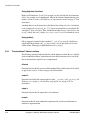
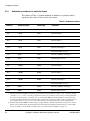
Controlling the runtime memory model
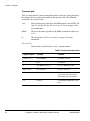
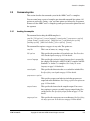
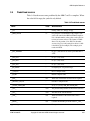
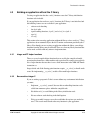
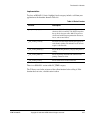
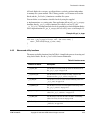
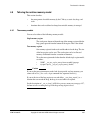
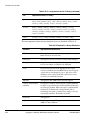
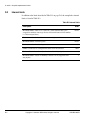
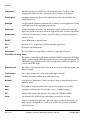
The behavior of the heap and stack manager can be modified by redefining the functions
listed in Table 4-12.
Table 4-12 Memory model initialization
Function
Description
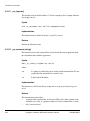
__user_initial_stackheap()
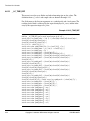
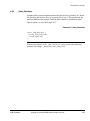
Returns the location of the initial heap. See
__user_initial_stackheap() on page 4-69.
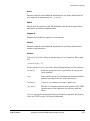
__user_heap_extend()
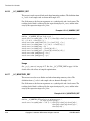
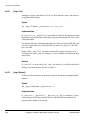
Returns the size and base address of a heap extra
block. See __user_heap_extend() on page 4-70.
__user_stack_slop()
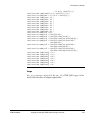
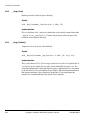
Returns the amount of extra stack. See
__user_stack_slop() on page 4-71.
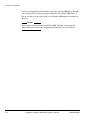
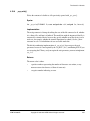
The hidden static data for the library is provided by __user_libspace(). The static data
area is also used as a stack during the library initialization process. This function does
not normally require reimplementation. See Tailoring static data access on page 4-25.
4.9.3
Writing your own memory model
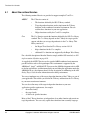
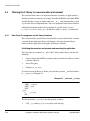
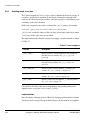
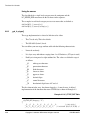
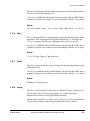
If the provided memory models do not meet your requirements, you can write your own.
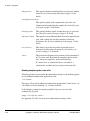
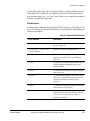
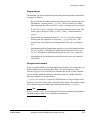
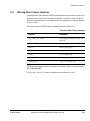
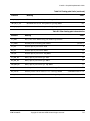
A memory model must define the functions described in Table 4-13. All functions are
ARM-state functions. The library takes care of entry from Thumb state if this is
required. An incomplete prototype implementation for the model is provided in
rt_memory.s located in the Include directory.
Use the prototype as a starting point for your own implementation.
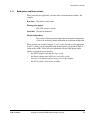
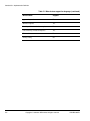
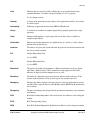
Table 4-13 Memory model functions
Function
Description
__rt_stackheap_init()
Sets the application stack and initial heap. See __rt_stackheap_init() on
page 4-71.
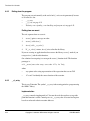
__rt_heap_extend()
Returns a new block of memory to add to the heap. See __rt_heap_extend() on
page 4-73.
__rt_stack_postlongjmp()
Atomically sets the stack pointer and stack limit pointer to their correct values
after a call to longjmp. See __rt_stack_postlongjmp() on page 4-74.
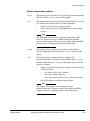
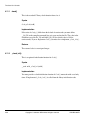
__rt_stack_overflow()
Handles stack overflows. (This is only required to be implemented for
stack-checked variants.) See __rt_stack_overflow() on page 4-72.
4-68
Copyright © 1999-2001 ARM Limited. All rights reserved.
ARM DUI 0067D