1
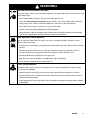
WARNING
PRESSURIZED EQUIPMENT HAZARD
Spray from the gun, hose leaks or ruptured components can splash fluid in the eyes or on the skin and
cause serious injury.
Do not stop or deflect fluid leaks with your hand, body, glove or rag.
Follow the Pressure Relief Procedure on page 13 when: you are instructed to relieve pressure;
stop spraying; clean, check or service the equipment; and install or clean fluid nozzles.
Do not point the spray gun at anyone or at any part of the body.
Tighten all fluid connections before operating the equipment.
Check the hoses, tubes and couplings daily. Replace worn, damaged or loose parts immediately.
Permanently coupled hoses cannot be repaired; replace the entire hose.
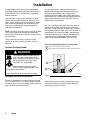
FIRE AND EXPLOSION HAZARD
Poor air ventilation, open flames, or sparks can cause a hazardous condition and result in fire or
explosion and serious injury.
Provide fresh air ventilation to avoid the buildup of flammable fumes from solvent or the fluid being
sprayed.
Eliminate all ignition sources such as pilot lights, cigarettes and plastic drop cloths (static arc
hazard). Do not plug or unplug power cords or turn lights on or off in the spray area.
Electrically disconnect all equipment in the spray area.
Keep the spray area free of debris, including solvent, rags and gasoline.
Do not operate a gasoline engine in the spray area.
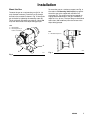
TOXIC FLUID HAZARD
Hazardous fluids or toxic fumes can cause serious injury or death if splashed in the eyes or on the
skin, inhaled, or swallowed.
Know the specific hazards of the fluid you are using. Read the fluid manufacturer’s warnings.
Store hazardous fluid in an approved container. Dispose of hazardous fluid according to all local,
state and national guidelines.
Dress appropriately for your application. Wear the appropriate protective clothing, gloves, eyewear,
and respirator.
309030
3