1
INSTALLATION
A RheemPlus water heater will
not
deliver
temperatures
exceeding 50°C, in accordance
with AS 3498. There is no
statutory requirement to fit a
temperature limiting device if this
water heater is installed in other
than an early childhood centre,
school, nursing home or a facility
for young, aged, sick or disabled
people.
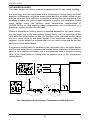
CIRCULATED HOT WATER FLOW AND RETURN SYSTEM
A RheemPlus water heater cannot be installed as part of a circulated hot water
flow and return system in a building.
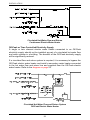
If a Rheem water heater is to be installed as part of a circulated hot water flow
and return system, a storage water heater able to provide a hot water outlet
temperature of at least 60°C must be used. Note: The thermostat must always
be set to at least 60°C. Refer to the diagram on page 22.
Temperature Limiting Device
A temperature limiting device cannot be installed in circulated hot water flow
and return pipe work. The tempered water from a temperature limiting device
cannot be circulated. Where a circulated hot water flow and return system is
required in a building, a temperature limiting device can only be installed on a
dead leg, branching off the circulated hot water flow and return pipe.
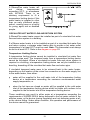
If circulated tempered water were to be returned back to the water heater,
depending on the location of the return line connection on the water supply line
to the water heater, then either:
water will be supplied to the cold water inlet of the temperature limiting
device at a temperature exceeding the maximum recommended water
supply temperature, or
when the hot taps are closed no water will be supplied to the cold water
inlet of the temperature limiting device whilst hot water will continue to be
supplied to the hot water inlet of the temperature limiting device.
These conditions may result in either water at a temperature exceeding the
requirements of AS/NZS 3500.4 being delivered to the hot water outlets in the
ablution areas, or the device closing completely and not delivering water at all,
or the device failing. Under either condition, the operation and performance of
the device cannot be guaranteed.
21