1
9. Contrast methods for Leica DM4000 B/DM4500 P/DM5000 B
Simple overview observations
Circular polarization
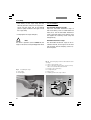
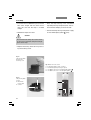
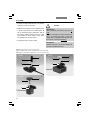
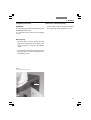
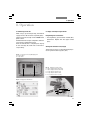
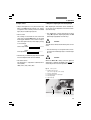
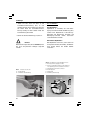
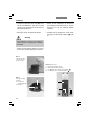
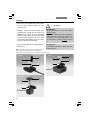
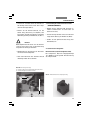
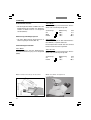
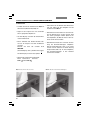
• Place the transmitted light specimen on the
polarizer.
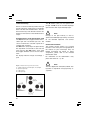
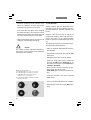
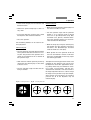
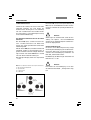
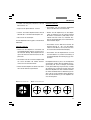
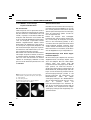
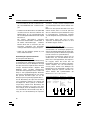
When the specimen stage is rotated, birefringent specimens show 4 extinction positions.
When a larger number of birefringent specimens are present, a few birefringent specimens
always show up randomly in the extinction position. Circular polarization is used for simultaneous interference color observation of all
specimens:
∩
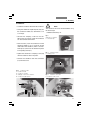
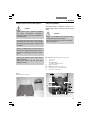
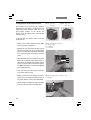
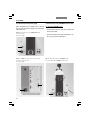
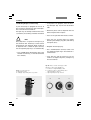
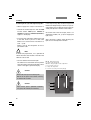
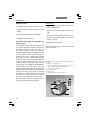
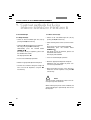
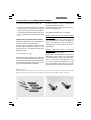
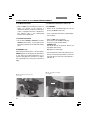
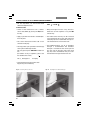
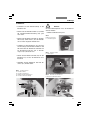
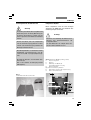
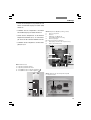
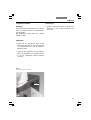
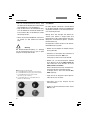
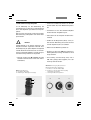
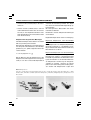
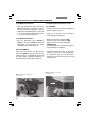
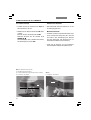
Depending on their design, λ/4 and λ plates are
installed on the underside of the condenser or,
for polarizing microscope, in the 8x condenser
disk (the vibration direction γ runs: ) or they
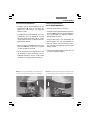
are inserted in the tube slot. An automatic,
spring-mounted dust cover flap closes the tube
slot.
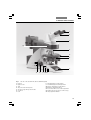
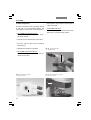
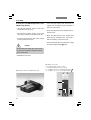
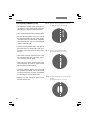
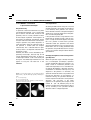
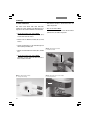
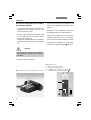
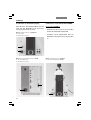
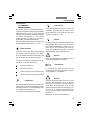
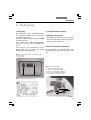
For the IC/P analyzer, the λ plate can be activated by turning it so that the mark "I" is facing upwards.
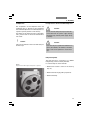
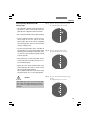
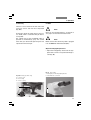
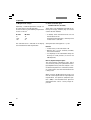
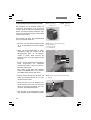
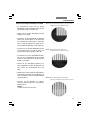
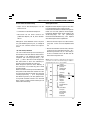
When the plate is activated, the path difference
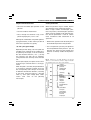
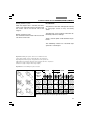
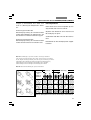
is increased or reduced according to Fig. 68.
The corresponding color changes can be used
to determine the vibration direction γ according
to the larger refractive index (i.e. refractive
index nγ). (The quartz wedge (69.7) allows
various color shifts on the polarizing
microscope.)
• Cross the polarizers precisely. The polarizers
must be positioned exactly in the N – S/E – W
direction. This means that the analyzer must
either be set exactly at 90° or 0° of polarization.
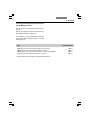
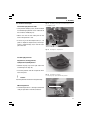
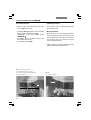
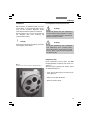
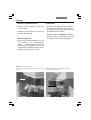
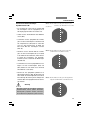
Fig. 68 Interference color with dependence on the path
difference or on the thickness and color changes in the addition and subtraction areas of the λ and λ/4 plates.
schwarz
lavendelgrau
graublau
200
400
–λ
600
800
Gangunterschied
λ/4- and λ plate, quartz wedge
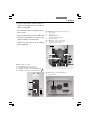
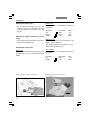
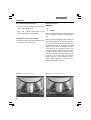
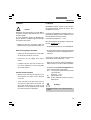
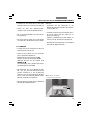
• Remove the specimen from the beam path or
locate the blank position of the specimen.
1. Ordnung
Although this method does not provide good imaging performance; it does make it possible to
view rows of specimen very quickly.
2. Ordnung
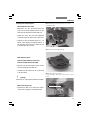
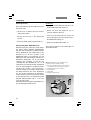
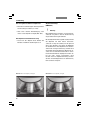
• Focus through the condenser using a lowpower magnifying lens, such as a 5x.
3. Ordnung
• Turn the condenser head inward.
+λ
1000
1200
gelblichweiß
lebhaftgelb
rotorange
tiefrot
indigo
himmelblau
grünlichblau
hellgrün
reingelb
orangerot
– λ
–
4
+ λ
–
4
dunkelviolettrot
indigo
grünlichblau
meergrün
1400
1600
grünlichgelb
fleischfarben
kaminrot
mattpurpur
63