1
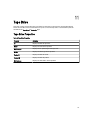
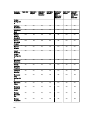
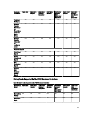
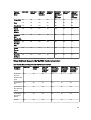
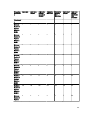
Comparing RAID Level And Concatenation Performance
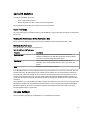
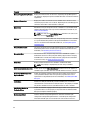
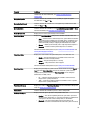
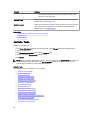
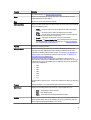
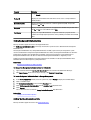
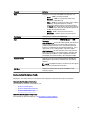
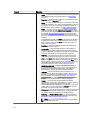
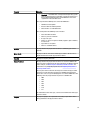
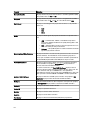
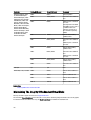
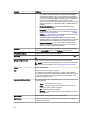
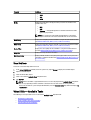
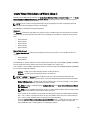
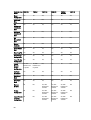
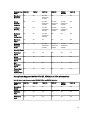
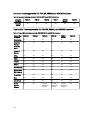
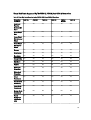
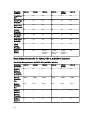
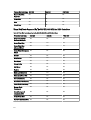
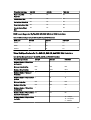
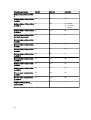
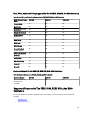
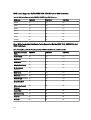
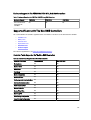
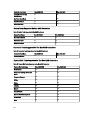
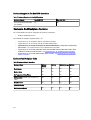
The following table compares the performance characteristics associated with the more common RAID levels. This
table provides general guidelines for choosing a RAID level. Evaluate your specific environment requirements before
choosing a RAID level.
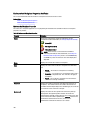
NOTE: The following table does not show all supported RAID levels in Storage Management. For information on all
supported RAID levels in Storage Management, see Choosing RAID Levels And Concatenation.
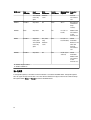
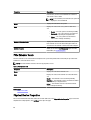
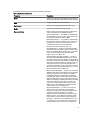
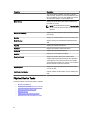
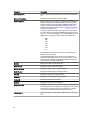
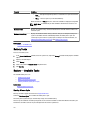
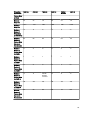
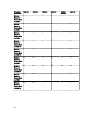
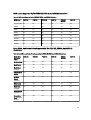
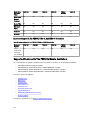
Table 1. RAID Level and Concatenation Performance Comparison
RAID Level
Data
Availability
Read
Performance
Write
Performance
Rebuild
Performance
Minimum Disks Suggested
Required
Uses
Concatenation
No gain
No gain
No gain
N/A
1 or 2
depending on
the controller
More cost
efficient than
redundant
RAID levels.
Use for
noncritical
data.
RAID 0
None
Very Good
Very Good
N/A
N
Noncritical
data.
RAID 1
Excellent
Very Good
Good
Good
2N (N = 1)
Small
databases,
database logs,
and critical
information.
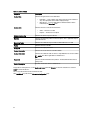
RAID 5
Good
Sequential
reads: good.
Fair, unless
using
Fair
N + 1 (N = at
Databases and
least two disks) other read
33