1
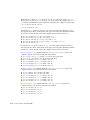
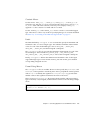
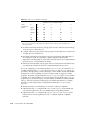
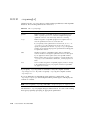
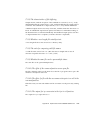
At this analysis level, there are additional diagnostic messages. The analysis
algorithm generally corresponds to the analysis algorithm of -Nlevel=3 with the
exception that any invalid values now generate an error message. The amount of
time required for analysis at this level can increase as much as two orders (about 20
to 100 time more slowly). In this case the extra time required is directly proportional
to the program complexity as characterized by recursion, conditional statements etc.
As a result of this, it may be difficult to use this level of analysis for a program that
exceeds 100,000 lines.
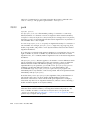
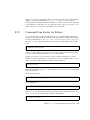
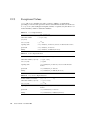
4.3.27
-n
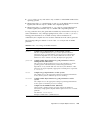
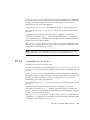
Suppresses checks for compatibility with the default lint standard C library.
4.3.28
-ox
Causes lint to create a lint library with the name llib-lx.ln. This library is
created from all the .ln files that lint used in its second pass. The -c option
nullifies any use of the -o option. To produce a llib-lx.ln without extraneous
messages, you can use the -x option. The -v option is useful if the source file(s) for
the lint library are just external interfaces. The lint library produced can be used
later if lint is invoked with -lx.
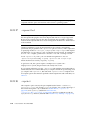
By default, you create libraries in lint’s basic format. If you use lint’s enhanced
mode, the library created will be in enhanced format, and can only be used in
enhanced mode.
4.3.29
-p
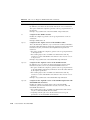
Enables certain messages relating to portability issues.
4.3.30
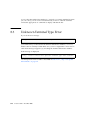
-Rfile
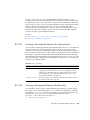
Write a .ln file to file, for use by cxref(1). This option disables the enhanced mode,
if it is switched on.
4-14
C User’s Guide • November 2005