1
Analyzing Memory Usage and Finding Errors
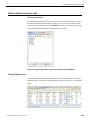
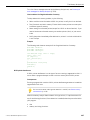
Heap fragmentation
Heap fragmentation occurs when a process uses a lot of heap allocation and
deallocation of different sizes. When this occurs, the allocator divides large blocks of
memory into smaller ones, which later can't be used for larger blocks because the
address space isn't contiguous. In this case, the process will allocate another physical
page even if it looks like it has enough free memory. The QNX memory allocator is a
bands allocator, which already solves most of this problem by allocating blocks of
memory of constant sizes of 16, 24, 32, 48, 64, 80, 96 and 128 bytes. Having only
a limited number of possible sizes lets the allocator choose the free block faster, and
keeps the fragmentation to a minimum. If a block is more that 128 bytes, it's allocated
in a general heap list, which means a slower allocation and more fragmentation. You
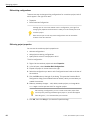
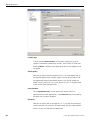
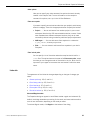
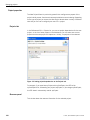
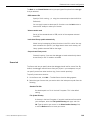
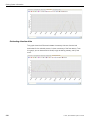
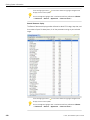
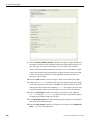
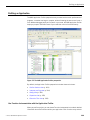
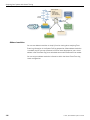
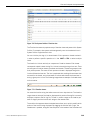
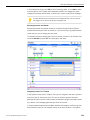
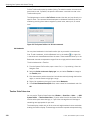
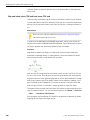
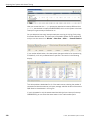
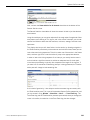
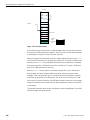
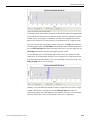
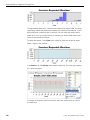
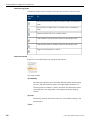
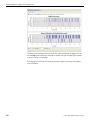
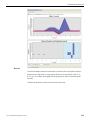
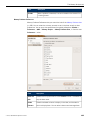
can inspect the heap fragmentation by reviewing the Bins or Bands graphs. An
indication of an unhealthy fragmentation occurs when there is growth of free blocks
of a smaller size over a period of time.
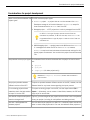
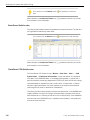
Block overhead
Block overhead is a side effect of combating heap fragmentation. Block overhead
occurs when there is extra space in the heap block; it is the difference between the
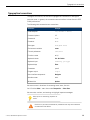
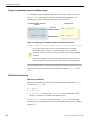
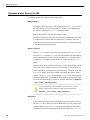
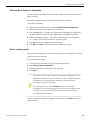
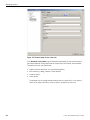
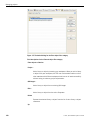
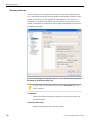
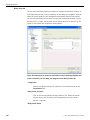
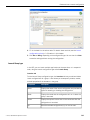
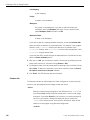
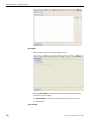
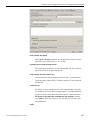
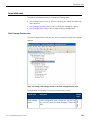
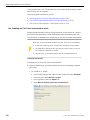
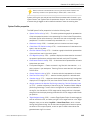
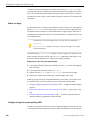
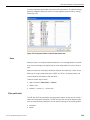
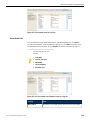
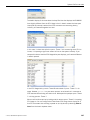
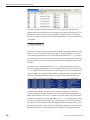
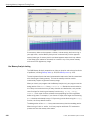
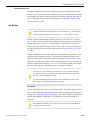
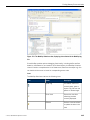
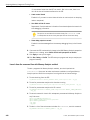
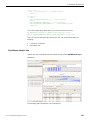
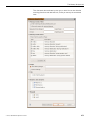
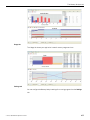
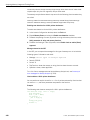
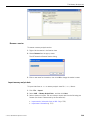
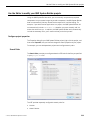
user requested allocation size and actual block size. You can inspect Block overhead
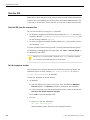
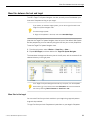
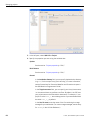
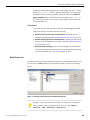
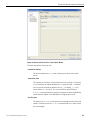
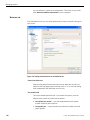
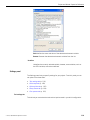
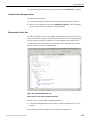
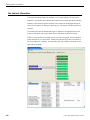
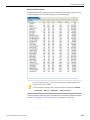
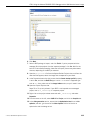
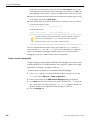
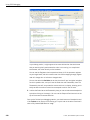
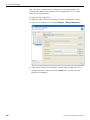
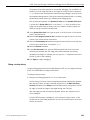
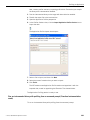
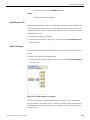
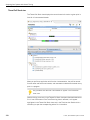
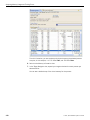
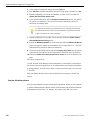
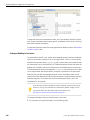
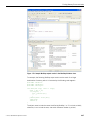
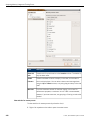
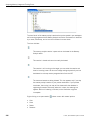
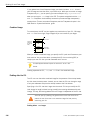
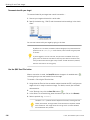
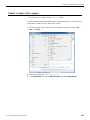
using the Memory Analysis tool:
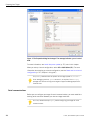
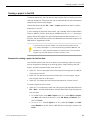
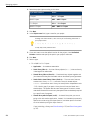
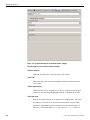
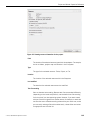
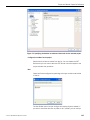
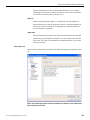
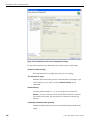
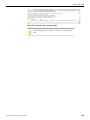
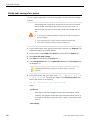
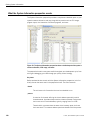
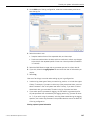
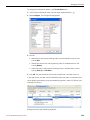
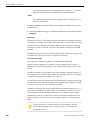
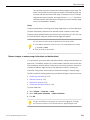
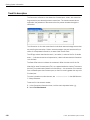
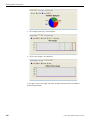
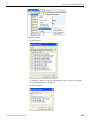
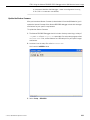
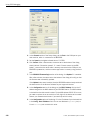
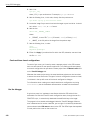
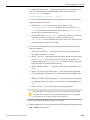
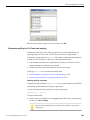
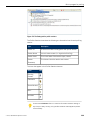
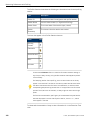
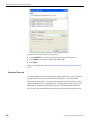
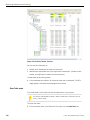
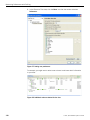
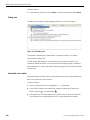
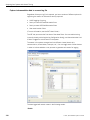
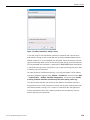
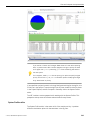
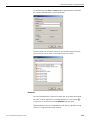
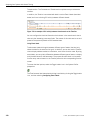
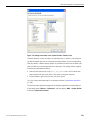
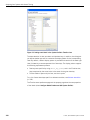
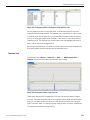
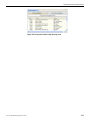
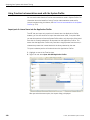
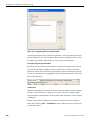
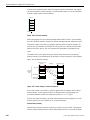
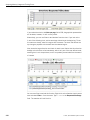
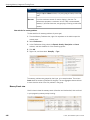
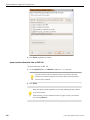
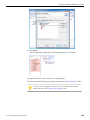
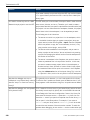
In the allocation table, you can see the size of the requested block (11) and the actual
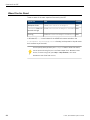
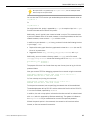
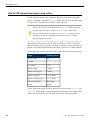
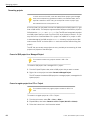
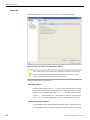
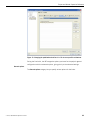
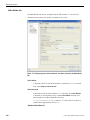
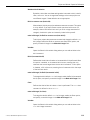
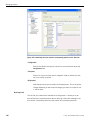
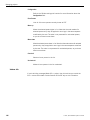
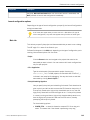
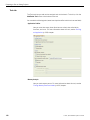
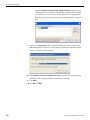
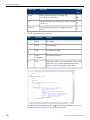
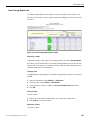
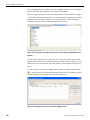
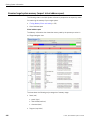
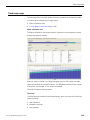
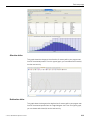
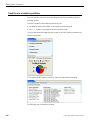
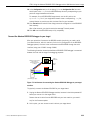
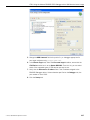
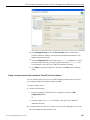
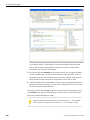
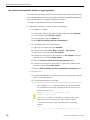
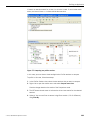
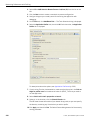
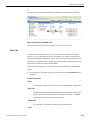
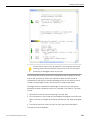
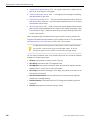
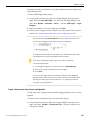
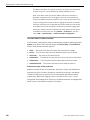
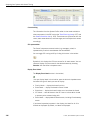
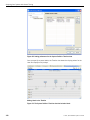
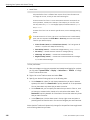
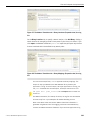
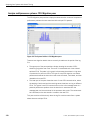
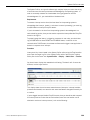
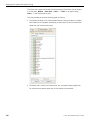
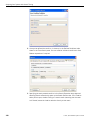
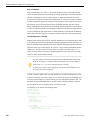
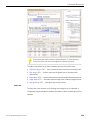
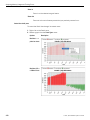
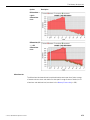
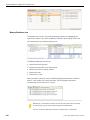
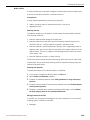
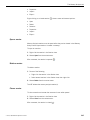
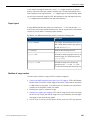
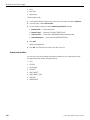
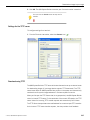
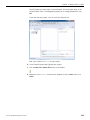
size allocated (16). You can also estimate the overall impact of the block overhead by
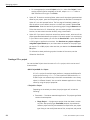
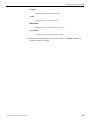
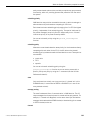
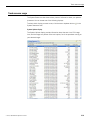
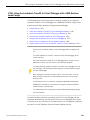
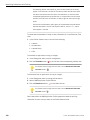
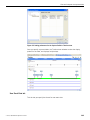
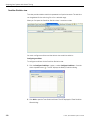
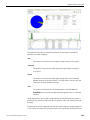
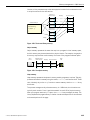
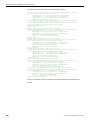
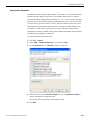
switching to the Usage page:
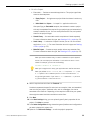
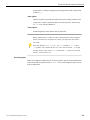
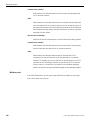
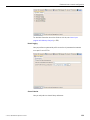
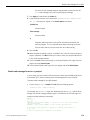
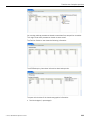
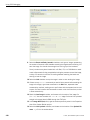
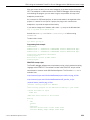
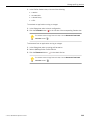
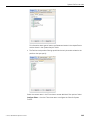
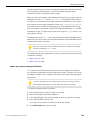
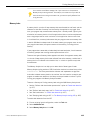
You can see in this example that current overhead is larger than the actual memory
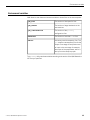
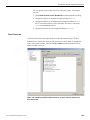
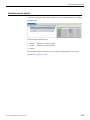
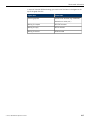
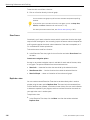
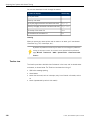
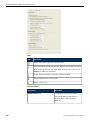
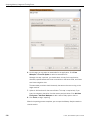
currently in use. Some techniques to avoid block overhead are:
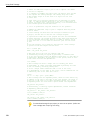
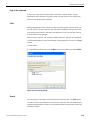
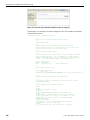
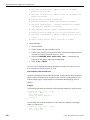
You should consider allocator band numbers, when choosing allocation size, particularly
for predictive realloc. This is the algorithm that can provide you with the next highest
power or two for a given number m if it is less than 128, or a 128 divider if it is more
than 128:
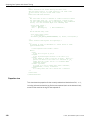
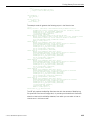
int n;
if (m > 256) {
n = ((m + 127) >> 7) << 7;
} else {
n = m - 1;
n = n | (n >> 1);
n = n | (n >> 2);
n = n | (n >> 4);
n = n + 1;
}
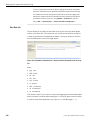
It will generate the following size sequence: 1,2,4,8,16,32,64,128,256,384,512,640,
and so on.
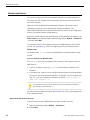
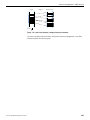
You can attempt to optimize data structures to align with values of the allocator blocks
(unless they are in an array). For example, if you have a linked list in memory, and a
data structure does not fit within 128 bytes, you should consider dividing it into smaller
420
©
2014, QNX Software Systems Limited