1
Monitoring
3 Monitoring
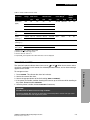
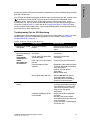
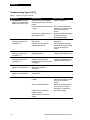
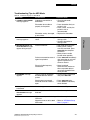
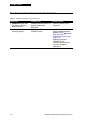
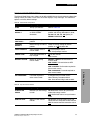
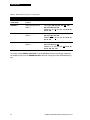
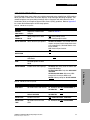
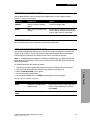
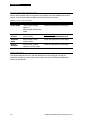
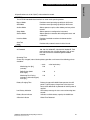
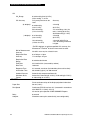
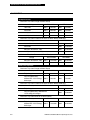
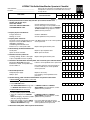
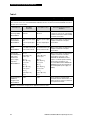
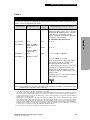
Table 3-4 Troubleshooting Tips for EtCO2 (Continued)
Observation
Possible Cause
Corrective Action
8 EtCO2 values are
consistently higher than
expected.
Physiological cause such as
COPD.
• None.
Inadequate ventilation.
• Check ventilator; increase
ventilatory rate/bagging.
Patient splinting during
breathing.
• Supporting measures such
as pain relief.
Improper calibration.
• Contact qualified service
personnel.
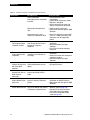
9 EtCO2 values are
consistently lower than
expected.
10 CO2 waveform stays
elevated for several
seconds.
FilterLine connection to device • Twist FilterLine connector
clockwise until firmly seated
is loose.
and can no longer be
turned.
Physiological cause.
• See Physiological factors in
"CO2 Detection," page 3-21.
Hyperventilation.
• Check ventilator; decrease
ventilatory rate/bagging.
Improper calibration.
• Contact qualified service
personnel.
Expiration is prolonged due to
bagging technique.
• Release bag reservoir
completely with expiration.
Observe that elevated
baseline returns to normal
level.
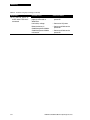
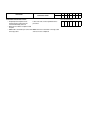
11 Sudden extreme increase in Fluid has entered CO2 module. • Contact qualified service
personnel.
EtCO2.
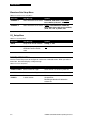
12 CHECK CO2 message
appears.
FilterLine blockage
• Disconnect and then
reconnect the FilterLine set.
• Change the FilterLine set.
Exhaust port blockage
• Ensure exhaust port on the
back of the device is not
blocked.
• Check exhaust tubing (if
present) for blockages or
kinks.
RF equipment too close to
defibrillator
• Separate RF equipment
from defibrillator. See
recommended separation
distances in Table 4, page
H-4.
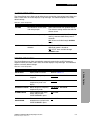
13 XXX appears instead of
EtCO2 value.
CO2 module malfunction.
• Turn device off and then on
again.
• If problem persists, contact
qualified service personnel.
14 There is no EtCO2 value
and the CO2 waveform is
flat.
Measured CO2 is less than
3.5 mmHg.
• See "CO2 Detection,"
page 3-21.
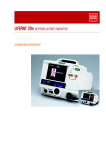
LIFEPAK 20e Defibrillator/Monitor Operating Instructions
©2006-2013 Physio-Control, Inc.
3-23