1
Topic
Points to communicate
Quotes and examples
Further resources
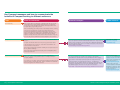
Health services
The straightforward guidance and ‘ground rules’ of the Compact will help
Commissioning boards engage with community groups in a meaningful
and structured way that is likely to improve health outcomes because
commissioning is based on need.
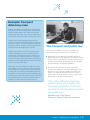
See the example from ‘Working together to tackle shared issues’ at the
end of this section.
A Compact way of working results in better policies and engagement with
patients and stakeholders. The Compact can help Health Services to be
flexible, responsive, and based around the patient. Community groups
can address health inequalities by sharing their knowledge of the
communities they represent and are trusted by, and can work with you
to improve techniques for getting health messages across. Working with
Community groups can help make efficiency savings.
The Compact can help the relationship with the wider organisations that
help a hospital run, especially services run by volunteers. If you treat them
well you can engage them and get a better hospital.
Local Compact partnership meetings and events provide a forum that
can help develop practical ways of working together, such as health
groups having sessions at surgeries or neighbourhood groups giving key
messages to their community, such as keeping hospital appointments.
Tip: Two parts of the NHS have particular relevance to the Compact:
service provision and commissioning. Each will have a different
relationship with the community and voluntary sector and will use different
elements of the Compact at different times.
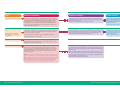
Police
Police already work closely with charities such as Neighbourhood Watch
and Victim Support, but may not be aware of the benefits of working with
small local community groups.
See the example from ‘Working together to tackle shared issues’ at the end
of this section.
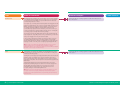
Working with community groups helps police identify their concerns and the
priorities of local communities and to solve the problems that matter to
them. It can also help police to gain insight into how to address negative
perceptions of the police. The Compact is the structure that supports these
relationships.
The National Policing Improvement Agency (NPIA) Citizen Focus and
Neighbourhood Policing Programme Team aim to increase engagement
with the public and provide guidance on how police can do this in
partnership with community groups. They advocate the use of the
Compact, calling it an ‘informal but legitimate tool.’
Tip: Police may be pro-partnership but not necessarily relate it to a good
Compact. Show how Compact partnerships have addressed police
priorities such as anti-social behaviour, and preventing domestic violence
and hate crime.
10 |
Local Compacts: A User Guide
Section 3: Communicating the Compact to different partners
| 11