1
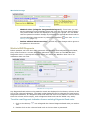
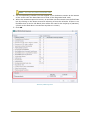
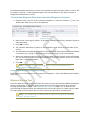
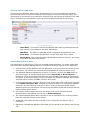
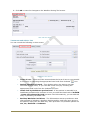
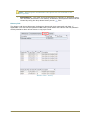
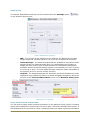
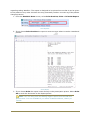
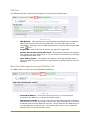
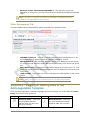
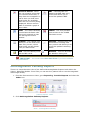
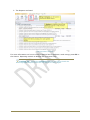
Pathways Report. A suite of reports are listed. The first report shows the number of patients on Warfarin. For more information see Anticoagulation Pathway Reports (page 26). Alert Popup Window - By default QOF alerts appear when you select a patient in Consultation Manager. To amalgamate non QOF alerts eg the Anticoagulation popup window with the QOF window see Accessing the Anticoagulation Pathway (page 6). Add Diagnosis Indication - Before patients can have their INR monitored and Warfarin dose adjustment calculated, they must first have a current Diagnosis Indication. See Warfarin/INR Diagnosis (page 15). Entering Past INR and Warfarin Dose Values - INR and Warfarin dose historical data must be available in the Pathway in order for the correct recall period calculations to be performed. If the patient has more than five INR and five Warfarin readings then only the last five of each are used. This information is populated from Vision and is available on the History tab within the Warfarin Dosing Tool screen. See Warfarin Dosing Tool (page 17). Patient Settings - To assist in managing the patient's Warfarin dosing regime you can set the patient's INR Target range and choose the tablet strengths that are available to the patient. In addition, you can specify if the patient is under hospital care, which will place a marker alongside the patient. For more information on Patients Settings, see Warfarin/INR Diagnosis (page 15). Accessing the Anticoagulation Pathway To access the anticoagulation pathway functionality, the patient must meet the following criteria: The patient must: (check this is correct took it from a website??) Be taking Anticoagulant medication Have one of the following indications: - Atrial fibrillation - A mechanical heart valve - Endocarditis - Mitral stenosis - Certain blood disorders - Had surgery to replace a hip or knee - Warfarin is indicate - Pulmonary Embolism - Inherited Thrombophilia - PNH - Paroxysmal Nocturnal Haemoglobinuria - Cardioversion - Coronary Angioplasty or Stents - Coronary Artery Grafts - Dilated Cariomyopathy - DVT 6