1
11
4.2.2.
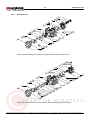
Description of the pump
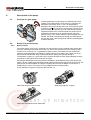
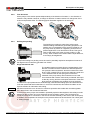
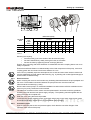
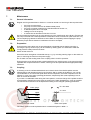
Flow directions
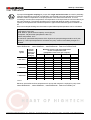
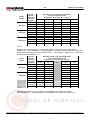
All the pumps in this series operate independently of the direction of rotation; i.e. the direction of
rotation is fully variable. However, a change of direction of rotation results in a changeover of the
suction and pressure sides. The following typical illustration applies for all seal types.
4.2.3.
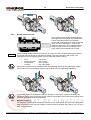
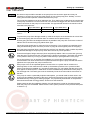
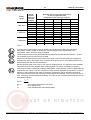
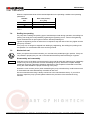
Stuffing box packing
The Stuffing box packing is made from soft but wearresistant sealing material with good sliding properties. The
sealing ring is compressed into the space provided for it in
the pump cover by means of a tightening screw and so is
pressed against the cover and the drive shaft. This type of
seal is used mainly with higher viscosity media (>1,000
mm²/s). When it wears to the extent that the liquid leaks out,
it can simply be retightened.
Pumps with stuffing box packing cannot be used in potentially explosive atmospheres because of
the large amount of heat they generate from friction.
4.2.4.
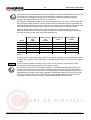
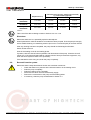
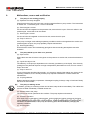
Single mechanical seal
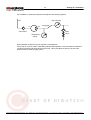
The installed mechanical seals function independently of the
direction of rotation and are unbalanced. Standard products
use synthetic carbon and 99.5% aluminium oxide for the seal
faces. PTFE covered FEP O rings for the stationary seals and
1.4571 stainless steel for the spring and construction
materials of the pump. Many other materials can be used.
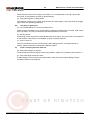
A mechanical seal must be continuously moistened with liquid
so that dry running and the consequent destruction of the seal
faces through overheating are avoided. Some of the liquid
circulates in the pump between the shaft bearings, shaft and the sealing space and lubricates and
cools the mechanical seal located there. In normal circumstances, this internal circulation of the
liquid is sufficient for lubrication and cooling.
WARNING
Mechanical seals are not to be used in continuous operation with media with viscosities greater
than 3500 mPas in the mechanical seal area.
In the event that the pumps are installed in potentially explosive atmospheres, their safety must be
ensured by the provision of a more extensive forced circulation system. This can be done by
connecting the quench connection in the area of the seal externally to the suction side of the pump.
In addition, the temperature of the liquid on the pressure side must be monitored. The values given
in Table 6.3 apply.
Pumpenfabrik Ernst Scherzinger GmbH & Co. KG • Bregstr. 2325 • 78120 Furtwangen/ Germany • Tel.: +49 (0) 77 23 – 65 06 0 • Fax: 65 06-40 • E-Mail: info@scherzinger.de