1
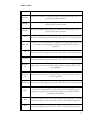
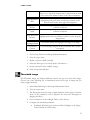
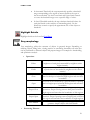
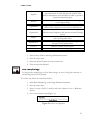
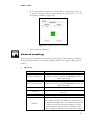
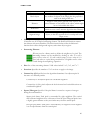
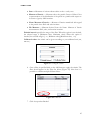
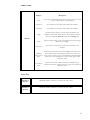
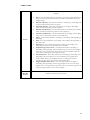
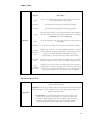
FUNCTIONS Displays the following information after searching the image for the template: Matches Property Description Score Score of each valid match. Score values can range from 0 to 1000. A score of 1000 indicates a perfect match. X Position X-coordinate of each object that matches the template. Y Position Y-coordinate of each object that matches the template. Angle Rotation angle, in degrees, of each object that matches the template at the current match location. This output is valid only when you enable the Rotated control on the Settings tab. Scale The percent change in scale of the object found in the image relative to the template. Occlusion % The amount of occlusion for each object that matches the template. Specifies how closely the curves in the template match the curves in the Template match region of the inspection image. Score values can range from 0 to Target Curve 1000. A score of 1000 indicates that all template curves have a Score corresponding curve in the match region of the inspection image. Correlation Score Specifies how closely a match matches the template using a correlation metric that compares the two regions as a function of their pixel values. Target Template Curve Score Specifies how closely the curves in the match region of the inspection image match the curves in the template. Score values can range from 0 to 1000. A score of 1000 indicates that all curves in the match region of the inspection image have a corresponding curve in the template. Advanced Options Tab Specifies the algorithm used by the Geometric Matching step. In general, you do not need to modify this setting. Algorithm Edge-Based—Works on any arbitrary shape and is guaranteed to find the object in the inspection image as long as a significant portion of the shape remains similar to the shape of the template object. Feature-Based—Assumes that the shape of the pattern or object in the template can be reliably represented by a set of geometric features. This technique should be employed only when the objects appearance in the template and in the inspection images can be consistently and reliably represented by geometric shapes such as circles, rectangles and lines. 65