1
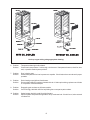
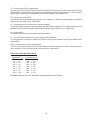
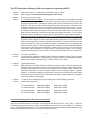
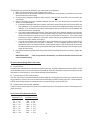
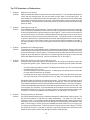
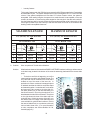
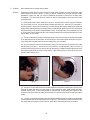
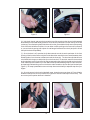
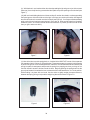
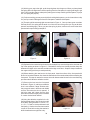
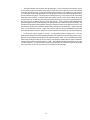
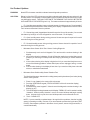
10. Problem: Solution: Cannot remove the knob from the timer on top load washers. This timer was originally introduced around 12/96 and has a totally plastic body. The interior is not accessible without breaking the case. The timer knob does not screw onto the shaft as with past timers. It slides onto the shaft and is held in place by a locking rod that is inserted through the rear of the timer. This D shaped rod (when pulled from the rear of the timer) spreads two retaining fingers on the front shaft and then allows the knob to be pulled off. Technicians may have a hard time grasping the rear rod with pliers. Instead, insert a flat tool such as a pocket screwdriver along the round side of the rod and push behind the protruding ledge and pry it out from the body of the timer. The tech could also insert a pointed object, such as a nail, along the flat side of the shaft, then push it into the hole in the shaft and pry it out from the body of the timer. 11. Problem: Solution: Top load washer shakes excessively, or walks during the spin. This is an old problem that seems to reoccur with such frequency that it must be reviewed from time to time. Unlike other manufacturers top load washers, ours has the best load balancing capability available. This washer will not shutdown if the spin cycle is initiated with an out-ofbalance load. The tub is mounted on a leg and dome assembly which sits on a snubber ring and is secured to a base by 3 main springs and 3 lesser springs. This allows the tub to move independently of the base providing a greater range of movement. Even if the load is grossly outof-balance, the load will still spin to extract the water. Although, if the tub is so out of balance that the outer tub contacts the sides of the cabinet, the washer will vibrate (and of course make lots of noise) and will most likely walk from its installed position. * The first place to start is with the floor where the washer is installed. It must be solid and secure. If the washer is sitting on carpet it will bounce and vibrate and probably walk. The front legs have rubber pads that grip the floor but will not grip carpeting very well. If it is sitting on a surface with a mirror smooth finish (such as polished marble) the pads could slide. If the floor is wet (for any reason) the pads will also slide. If the floor is wood make sure that it is solid. If the floor is vibrating during the spin cycle (that is, if you are vibrating just standing next to the washer) or if objects on shelves or pictures on walls are moving, this means the floor is flexing. This flexing can cause the washer to bounce and if the rubber pads lose contact with the floor, it will walk. * Check the position of the front legs. The more they are extended, the more vibration will occur. The more vibration that occurs, the less contact the pads have with the floor and the greater the likelihood that the washer will walk. * The next thing to check is to see if the shipping bolt has been removed. This shipping bolt secures the leg and dome assembly to the base which restricts movement of the entire tub, motor and transmission assembly during shipment. If it is not removed, the washer will move very energetically. * Next remove the front service panel and inspect the notches that the 3 large main springs are set into on the base. There are 3 locations: a. On the front location, the large spring must be in the 2nd from the front notch. b. On the left side location, the large spring must be in the 4th from the left notch. c. On the right side, the large spring must be in the 3rd from the left notch. * Next ask the customer to load the washer (if they have no dirty clothes, ask for clean towels). All of these tests are best done with a full load to duplicate the conditions that produce the objectionable behavior of the washer. If the base of the washer is knocking on the floor, then the base is flexing and must be replaced. 40