1
Installation tips
Eliminating air – purging, bleeding, & quiet comfort
Water contains dissolved gasses. Cold water contains more dissolved
gasses than hot water. When filling a hydronic system for the first
time, proper procedures must be followed to manage air elimination.
The most important requirement is to purge all free air from the
hydronic system. Elimination of free air ensures quiet operation, protects system components and provides proper transfer of heat-energy.
By raising the system pressure during purging, air bubbles trapped in
upper floor loops are re-absorbed and carried down to the purge location . The sudden discharge of water through the purge valve creates
rapid flow that forces trapped air within the system to be expelled.
• Zoning with circulators, utilizing isolation valves and a purge
fitting, will allow for fast elimination of air in primary, secondary,
and tertiary piping
• Radiant loops are easily purged if you use valved manifolds to
purge one loop at a time
• Standing cast iron radiators will have individual vents for purging
air prior to starting the system
69
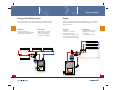
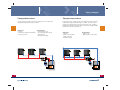
• Devices, such as air-scoops or micro-bubble scrubbers are very
effective at removing dissolved air – if installed correctly!
• Gravity float-vents are typically located where air collects and will
automatically allow gasses to pass out of the hydronic system
• Unchecked air trapped in hydronic systems can accelerate
corrosion, damage components, create system noise, and lead to
no-heat calls
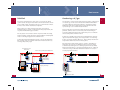
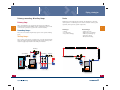
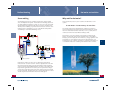
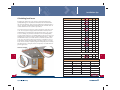
Straight pipe distance
can be less than 18-inches
{
6
{
18-inches minimum or 18 pipe diameters
of straight pipe before air-scoop
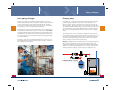
Once free air is eliminated and the first heating cycles begin, dissolved
gasses will come out of solution and create problems – unless you’ve
planned for eliminating air on an ongoing basis. The best location for
air elimination devices is immediately after the heat source: that’s
where the majority of air will be forced out of solution.
6
70