1
This sample chapter is for review purposes only. Copyright © The Goodheart-Willcox Co., Inc. All rights reserved.
244
Section 4 Engine Service
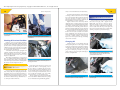
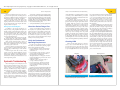
Figure 13-1.
This chain saw engine is being cleaned with
compressed air.
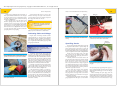
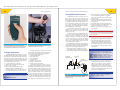
Figure 13-2.
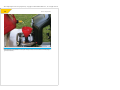
Checking the oil is an important part of preventive
maintenance.
245
Chapter 13 Preventive Maintenance and Troubleshooting
The small engine manufacturer will recommend
oil changes at intervals based on hours of running
time. A new engine should have the first oil drained
after only a few hours of operation to remove any
metallic particles from the crankcase. After that, the
time specified may vary from 10–50 hours.
Engine oil does not wear out. It always remains
slippery. However, oil used for many hours of engine
operation becomes contaminated with dirt particles,
soot, sludge, varnish-forming materials, metal particles, water, corrosive acids, and gasoline. These contaminants eventually render the oil useless. The harm
they cause outweighs the lubricating quality of the oil.
The time interval for oil changes is selected so
that the oil never reaches a loaded level of contamination. Loaded oil cannot absorb any more contaminants and still be an effective lubricant. When
oil reaches a loaded condition, varnish deposits
begin to form on the piston and rings, and sludge
collects in the crankcase.
Note
Some
S
ome engines
engin
ines do
do nott have
h e an oilil drain
d i plug.
l
Oil mustt
be
b
e drained
drrain
ned through
throug
gh the filler
lle
er hole on these engines.
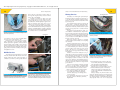
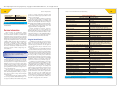
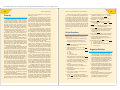
Clean the dirt from the drain plug area and
then remove the plug with a proper wrench,
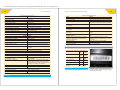
Figure 13-5. Allow the oil to drain for approximately five minutes to remove as much contaminated oil as possible. See Figure 13-6. If the drain
hole is located on the side or top of the engine, tilt
the engine toward the drain hole if possible. When
draining is complete, replace the drain plug.
Checking Oil Level and Condition
Crankcase oil in four-cycle engines should be
checked periodically. Preferably, it should be checked
each time fuel is added. The engine manufacturer
provides a means of visually inspecting the level and
condition of the oil. Use the type and viscosity grade
of oil recommended by the manufacturer and maintain it at the proper operating level.
To check the oil level in engines equipped with
a dipstick, withdraw the dipstick and wipe it dry.
Reinsert the dipstick as far as it will go. Withdraw
it a second time and observe the oil level on the
dipstick. See Figure 13-2.
The markings on dipsticks may vary, but all will
have a Low (Add) mark and a Full mark. Add oil if the
level is at or below the Low mark. Do not run the engine
with oil showing above the Full mark on the dipstick. If
the crankcase oil level is high, drain some oil.
Changing Oil
Changing engine oil is not difficult. Begin by
running the engine until it is thoroughly warmed
up. Warm oil will drain more completely, and more
contaminants will be removed if the oil is agitated.
Turn off the engine and disconnect the spark
plug. The oil drain plug is located at a low point
on the crankcase, usually along the outside edge of
the base. See Figure 13-4.
Socket
Figure 13-5.
This technician is using a socket and ratchet to
remove the drain plug. The plug should be turned
counterclockwise for removal.
Plug
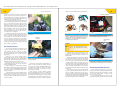
Figure 13-3.
A screwdriver can be used to remove the type of oil
filler plug shown here.
Caution
Overfi
O
verfifilli
lling
ing th
the
he crankcase
crrankcase
e with oil can foul plugs and
ccause
ause the engine
eng
gine
e to
o use
e too much oil.
Some small gasoline engines do not have dipsticks. Instead, they have a filler plug that threads
into the filler hole to seal out dirt and seal in the oil.
Figure 13-3 shows the proper method of loosening
one type of filler plug. When the plug is removed,
the oil level should be at the top of the filler hole or
to a mark just inside the filler hole.
If the engine oil level drops at an excessive rate
(requires the addition of oil frequently), look for
the cause. Refer to a troubleshooting chart for the
particular engine at hand. Troubleshooting charts
are covered later in this chapter. Typical causes of
excess oil consumption are external leaks, worn oil
seals around the crankshaft, worn valve guides,
worn piston rings, or a hot running engine.
The color of used oil is not always an accurate indication of its condition. Additives in the oil may change
its color without decreasing its lubricating qualities.
Drain plug
Drain plug
Figure 13-4.
Figure 13-6.
The oil drain plug is located at a low point in the
crankcase to permit oil to drain completely.
It may take several minutes for all the old oil to drain
from the engine.