1
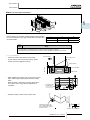
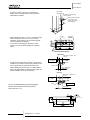
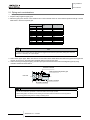
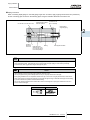
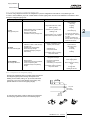
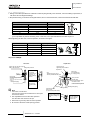
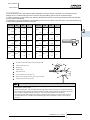
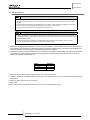
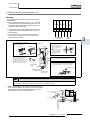
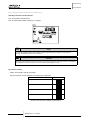
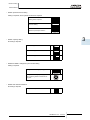
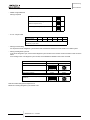
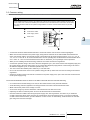
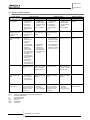
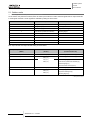
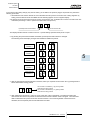
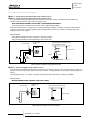
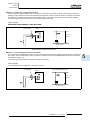
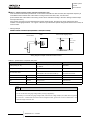
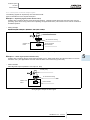
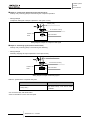
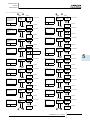
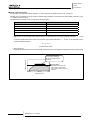
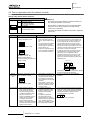
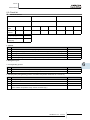
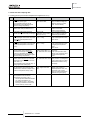
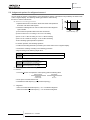
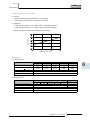
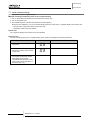
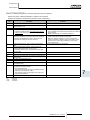
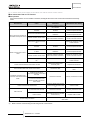
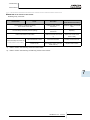
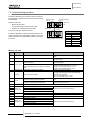
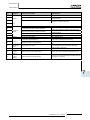
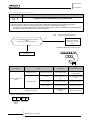
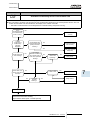
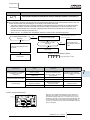
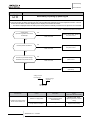
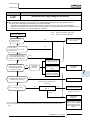
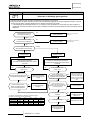
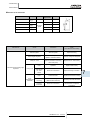
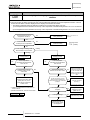
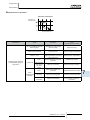
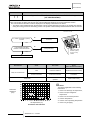
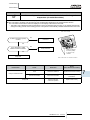
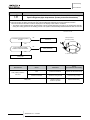
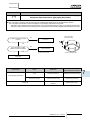
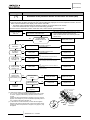
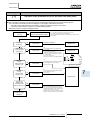
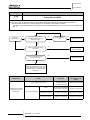
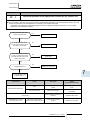
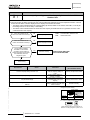
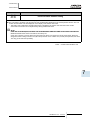
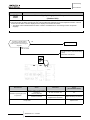
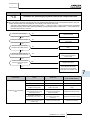
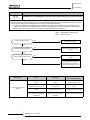
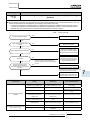
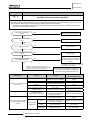
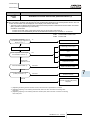
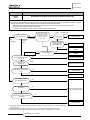
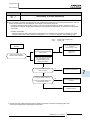
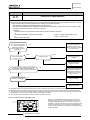
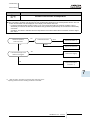
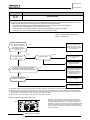
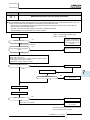
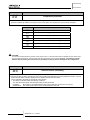
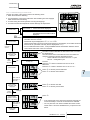
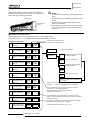
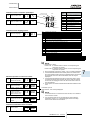
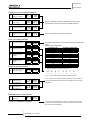
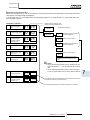
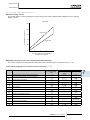
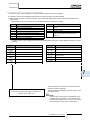
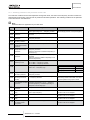
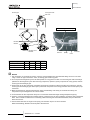
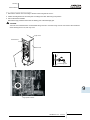
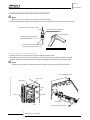
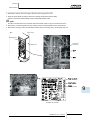
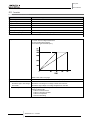
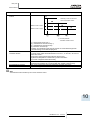
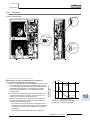
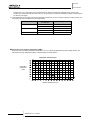
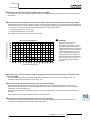
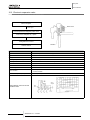
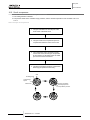
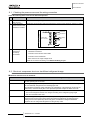
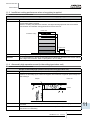
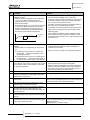
Test run Service Manual 6.4.Judgement system for refrigerant amount ¡¡ Before the checking procedure: 1. Operate all the indoor units at the TEST RUN mode and operate all the indoor units at the HIGH speed. 2. Check the following items in order to make sure that the refrigerant cycle is stable. 1) The continuous operation lasts more than 20 minutes. Outdoor air temp. (ºC) You can check the excess or the deficiency of the refrigerant by means of the data that is provided by the check mode of the 7-segment display. The following checking procedure is useful during the test run and the maintenance. Indoor air temp. (ºC) 2) Td·SH is 25 to 45 ºC in cooling or 15 to 45 ºC in heating 3) Ps is 0.4 to 1.1 MPa in cooling or 0.2 to 1.1 MPa in heating 4) Pd is 2.0 to 3.5 MPa in cooling or 1.6 to 3.5 MPa in heating Td·SH: Discharge gas temperature superheat Ps: Suction pressure, Pd: Discharge pressure 3. Collect the checking data that is provided by the check mode of the 7-segment display. 4. Perform the checking according to the following procedure. Judge according to the following target value: Cooling Refrigerant flow charge is controlled by indoor unit expansion valve Heating Refrigerant flow charge is controlled by outdoor unit expansion valve Applicable air temperatures for the checking procedure: Cooling Room temperature: 20°C~30°C (DB) Outdoor temperature: 15°C (DB) or more Heating Room temperature: 20°C~30°C (DB) Outdoor temperature: 0°C~15°C (DB) ¡¡ Checking procedures for cooling Process 1. Convert iE (indoor unit expansion valve opening) with the following table: Indoor Unit HP 0.8 to 6 HP 8 and 10 HP Conversion iE iE × 2.0 2. Sum up the converted values of iE. 3. Calculate the total frequency (=H1(Inverter frequency)) Judgement - If total of converted iE/Total frequency < 0.7 = Insufficient refrigerant - If total of converted iE/Total frequency > 1.6 = Excessive refrigerant 56 SMGB0059 rev.0 - 04/2009