1
Bearing maintenance
Now the bearing has been selected, assembled, mounted, adjusted and
lubricated. Assuming that the procedures have been done carefully to
manufacturer’s specifications, the bearing should do
its job correctly.
But how well – and how long – a bearing wears also depends on
maintenance. This includes:
• Inspection of the bearing, shaft, and housing for damage;
• Double checking the mounting and assembly;
• Re-lubrication at suggested intervals;
• Making adjustments as necessary; and
• Cleaning the bearing.
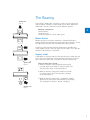
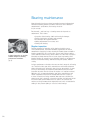
Regular inspection
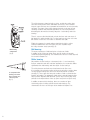
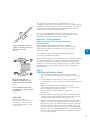
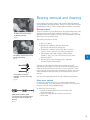
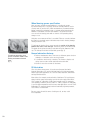
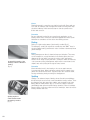
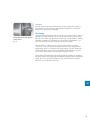
A simple inspection can provide
valuable insight into bearing
performance and failure.
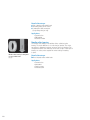
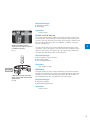
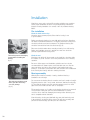
(fig. 1)
Regular schedules for inspection of the bearing should be set up
on an individual basis. Follow the timetable suggested by the vehicle
manufacturer. Inspection includes checking for anything that could affect
bearing operation (fig. 1). Look for nicks, grooves and polished surfaces
on the shaft and in the housing. Check surface color. Are there rust spots?
Generally, any bands that are blue or brown signal overheating of the
bearing; whether it’s caused by poor lubrication, tight fit or misalignment.
Check to see that the bearing, shaft and housing fit squarely, without
cocking.
As far as maintenance schedules, there are two basic categories of bearing
use. The first includes gear drives, transmissions and similar equipment
where the bearings are designed to last as long as the machine or gears.
As long as the bearings are sealed and lubricated well, they should be
inspected only when the unit is down for repairs or a complete overhaul.
Otherwise, it is recommended that the gear drives, transmissions and
similar equipment be flushed out annually with kerosene or light oil,
to clean out any dirt or foreign materials that may have collected. Also,
whenever the unit is down for a long period of time, old lubricants should
be removed and replaced with fresh oil or grease. This prevents any
moisture or foreign matter which might have been in the old lubricant for
settling. It also prevents pitting or corrosion in the bearings.
54