1
Oil lubrication features
1. The correct amount of oil lubricant is easier to control
than grease.
2. Oil lends itself more to the lubrication of all parts.
3. Oil flows better in lower and higher temperatures than grease.
General recommendation
Whatever type of lube – grease or oil – is selected, be sure to remember
some very fine points that will help a bearing to continue performing well,
or cause it to fail.
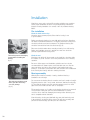
1. Never wash the protective lubricant off new bearings.
2. Use clean lubricants contained in clean, air-tight cans or drums.
Store them in a cool, dry area. Dirt, dust or moisture in the lube
can lead to eventual bearing failure.
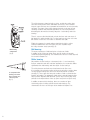
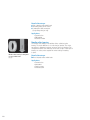
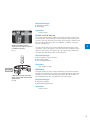
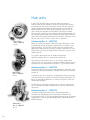
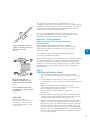
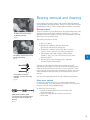
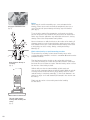
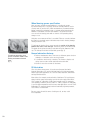
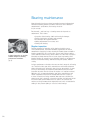
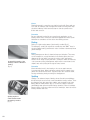
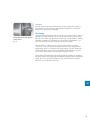
The depth of the oil should
be level with the inside diameter
at the cup.
(fig. 4)
3. Use only the lubricant called for in the job. No substitutes
or interchanges (grease instead of oil, for example) should be made
unless specified by the equipment manufacturer.
4. Do not overfill the housing (fig. 4). Too much grease or oil can seep
out of overfilled housings, past seals and closures. The lube that
escapes can collect dirt and cause damage to the bearings.
5. Too much lubricant can also cause overheating. This is particularly
true of bearings running at high speeds, where the churning of the
lubricant will cause the bearing to run too hot.
10
51