1
KINROAD 150 SERVICE MANUAL
VERSION 1, DEC., 2005
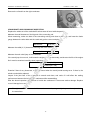
If the valve seat still cannot contact evenly with the valve after trimming, the valve should be revised or
replaced.
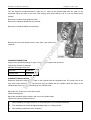
VALVE AND VALVE SEAT LAPPING
After finishing, the valve and valve seat should be lapped in order
to make them seal properly
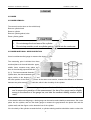
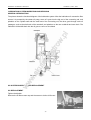
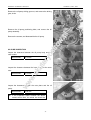
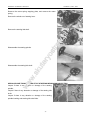
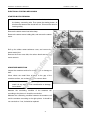
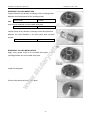
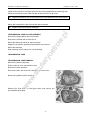
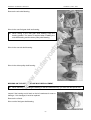
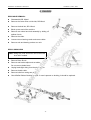
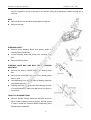
Spread a thin layer of silicon carbide on the working bevel of the
valve, and use a valve suction cup tool. Then repeatedly rotate the
valve suction cup to lap the valve and valve seat evenly until they
match tightly.
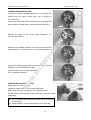
Before lapping, clean the valve, valve seat and valve guide.
When lapping, do not use too much force.
During lapping, do not drop any silicon carbide into the place between the valve lever and the
valve guide.
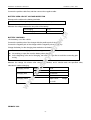
VALVE AND VALVE SEAT AIR IMPERMEABILITY INSPECTION
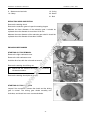
After lapping the valve and valve seat, the air impermeability of their joint surface should be inspected.
Method one: same as the method of "valve seat contact position inspection”.
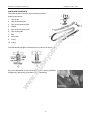
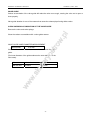
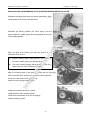
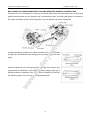
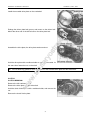
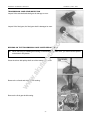
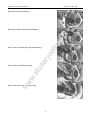
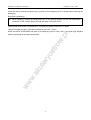
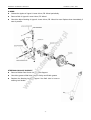
Method two: evenly draw several lines on the working surface of the
valve with a pencil. Put the valve into the valve seat, if the lines are all
broken after turning 1/8 - 1/4 ring, then it shows the air impermeability is
good.
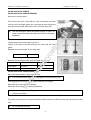
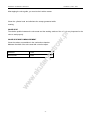
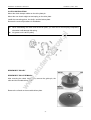
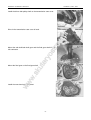
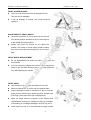
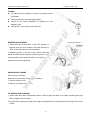
Method three: mount the valve on the cylinder head, and fill the inlet and
exhaust vent with non-flammable solvent, and preserve for 5 minutes. If there is no leaking, the valve is
seated correctly.
29