1
NJGI0005
HOW TO PERFORM EFFICIENT DIAGNOSES FOR AN ELECTRICAL INCIDENT
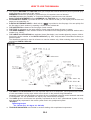
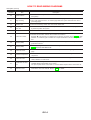
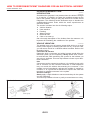
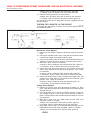
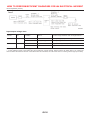
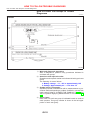
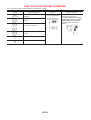
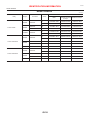
Work Flow
Work Flow
NJGI0005S01
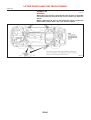
SGI838
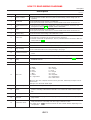
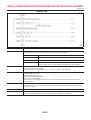
STEP
STEP 1
DESCRIPTION
Get detailed information about the conditions and the environment when the incident occurred.
The following are key pieces of information required to make a good analysis:
WHAT
Vehicle Model, Engine, Transmission and the System (i.e. Radio).
WHEN
Date, Time of Day, Weather Conditions, Frequency.
WHERE
Road Conditions, Altitude and Traffic Situation.
HOW
System Symptoms, Operating Conditions (Other Components Interaction).
Service History and if any After Market Accessories have been installed.
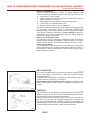
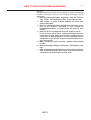
STEP 2
Operate the system, road test if necessary.
Verify the parameter of the incident.
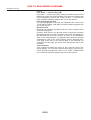
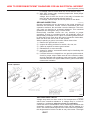
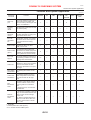
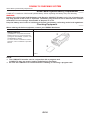
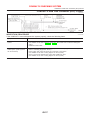
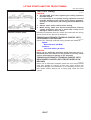
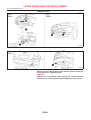
If the problem can not be duplicated, refer to “Incident Simulation Tests” next page.
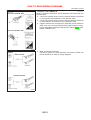
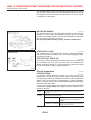
STEP 3
Get the proper diagnoses materials together including:
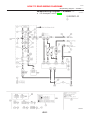
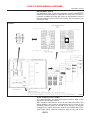
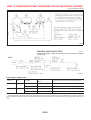
POWER SUPPLY ROUTING
System Operation Descriptions
Applicable Service Manual Sections
Check for any Service Bulletin.
Identify where to begin diagnoses based upon your knowledge of the system operation and the customer comments.
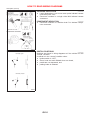
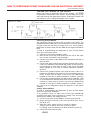
STEP 4
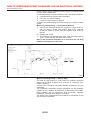
Inspect the system for mechanical binding, loose connectors or wiring damage.
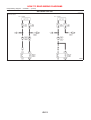
Determine which circuits and components are involved and diagnose using the Power Supply Routing
and Harness Layouts.
STEP 5
Repair or replace the incident circuit or component.
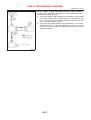
STEP 6
Operate the system in all modes. Verify the system works properly under all conditions. Make sure you
have not inadvertently created a new incident during your diagnoses or repair steps.
GI-21