1
Precautions
! WARNING
Always disconnect battery cables from battery
BEFORE working on fuel system to prevent fire
or explosion.
! WARNING
Be careful when cleaning flame arrestor and
crankcase ventilation hose; gasoline is extremely flammable and highly explosive under certain
conditions. Be sure that ignition key is OFF. DO
NOT smoke or allow sources of spark or open
flame in area when cleaning flame arrestor and
crankcase ventilation hose.
! WARNING
Be careful when changing fuel system components; gasoline is extremely flammable and highly explosive under certain conditions. Be sure
that ignition key is OFF. DO NOT smoke or allow
sources of spark or flame in the area while changing fuel filter. Wipe up any spilled fuel immediately.
! WARNING
Avoid gasoline fire or explosion. Improper installation of brass fittings or plugs into fuel pump or
fuel filter base can crack casting and/or cause a
fuel leak. Follow specific procedure, given in
Section 5A of this manual, for all fuel line connections.
! WARNING
Make sure no fuel leaks exist before closing engine hatch.
! CAUTION
DO NOT operate engine without cooling water
being supplied to water pickup holes in gear
housing, or water pump impeller will be damaged
and subsequent overheating damage may result.
! CAUTION
DO NOT operate engine without water being
supplied to seawater pickup pump on engine, or
pump impeller may be damaged and subsequent
overheating damage to engine may result. Engine may be operated with boat out of water, if instructions under “Running Engine with Boat Out
of Water,” following, are completed.
! WARNING
When running engine with boat out of water, be
certain that area in vicinity of propeller is clear
and that no person is standing nearby. As a precautionary measure, it is recommended that the
propeller be removed.
! CAUTION
DO NOT run engine above 1500 RPM, as suction
created by seawater pickup pump may collapse
water supply hose and cause engine to overheat.
! WARNING
Be sure that engine compartment is well ventilated and that no gasoline vapors are present to
prevent the possibility of a FIRE or EXPLOSION.
! WARNING
DO NOT leave helm unattended while performing
idle speed adjustment.
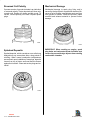
Used Spark Plug Analysis
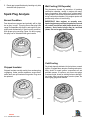
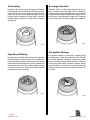
Use the following illustrations for determining serviceability of spark plug. Spark plug condition also
can suggest a variety of possible engine malfunctions and, therefore, can indicate needed engine repairs. When old plugs are replaced, replace entire
set. Perform plug service only on those plugs suitable
for additional service, using the following procedures:
1. Remove any oil deposits with solvent and dry
plugs thoroughly.
2. Open electrode gap wide enough to permit cleaning and filing.
3. Remove combustion deposits from firing end of
spark plug with a plug cleaner. Blow off with compressed air to remove abrasives.
4. File electrode surfaces to restore clean, sharp
edges. Again remove filings with compressed air.
Index
90-823226--1 996
TROUBLESHOOTING - 1C-1