1
146
CHAPTER 5. INTRODUCTION TO INDUSTRIAL INSTRUMENTATION
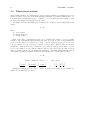
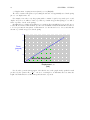
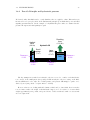
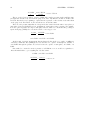
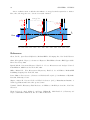
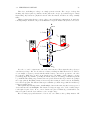
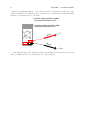
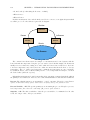
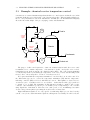
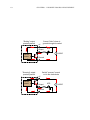
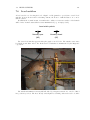
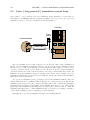
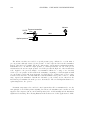
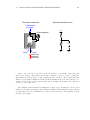
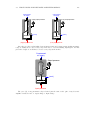
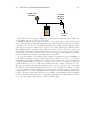
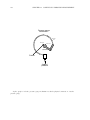
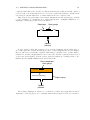
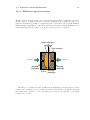
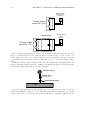
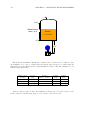
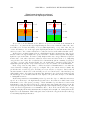
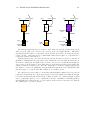
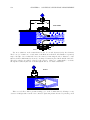
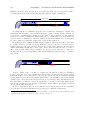
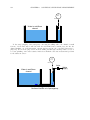
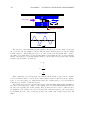
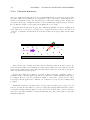
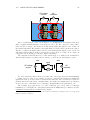
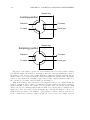
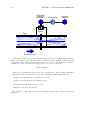
Chlorine supply
AIC
SP
M
AAL
AAH
Contact
chamber
Influent
Cl2
AT
Effluent
Mixer
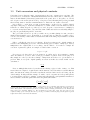
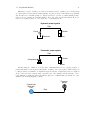
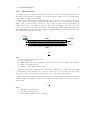
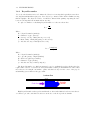
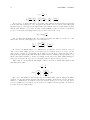
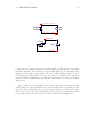
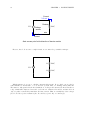
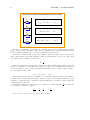
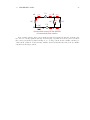
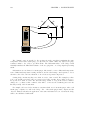
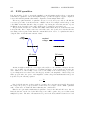
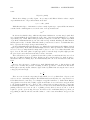
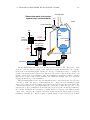
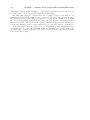
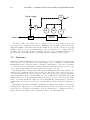
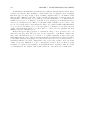
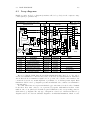
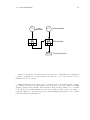
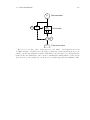
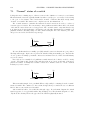
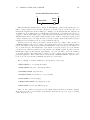
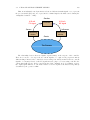
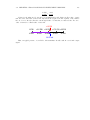
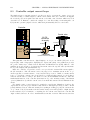
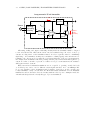
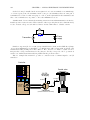
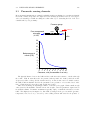
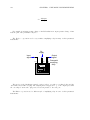
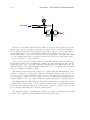
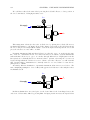
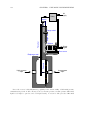
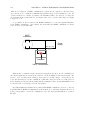
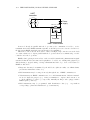
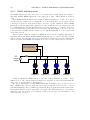
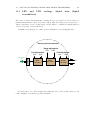
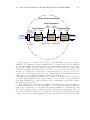
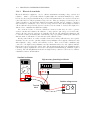
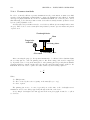
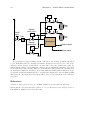
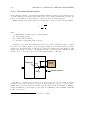
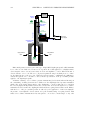
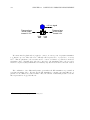
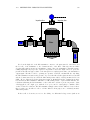
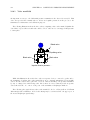
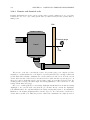
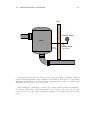
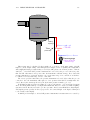
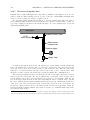
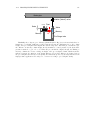
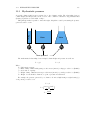
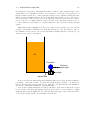
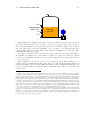
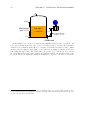
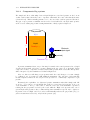
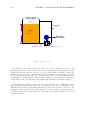
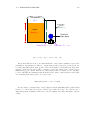
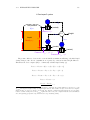
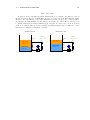
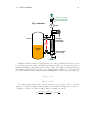
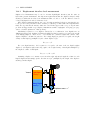
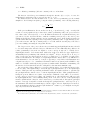
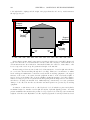
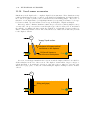
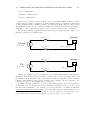
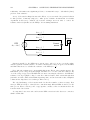
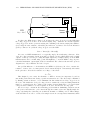
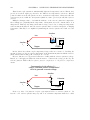
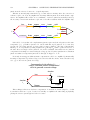
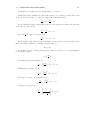
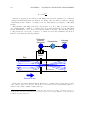
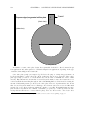
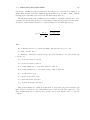
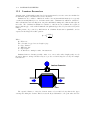
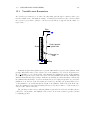
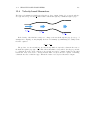
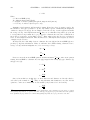
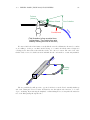
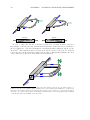
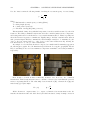
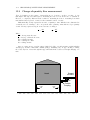
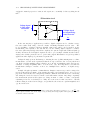
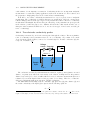
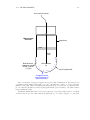
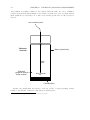
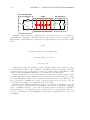
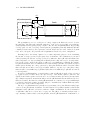
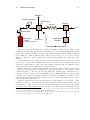
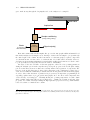
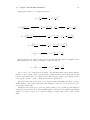
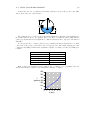
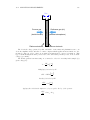
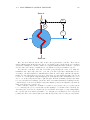
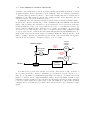
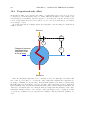
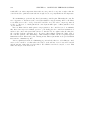
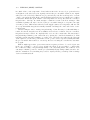
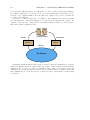
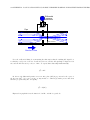
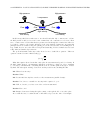
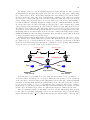
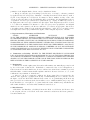
The labels “AAL” and “AAH” refer to analytical alarm low and analytical alarm high,
respectively. Since both alarms work off the 4 to 20 milliamp electronic signal output by the chlorine
analytical transmitter (AT) rather than directly sensing the process, their construction is greatly
simplified. If these were process-sensing switches, each one would have to be equipped with the
capability of directly sensing chlorine concentration. In other words, each switch would have to be
its own chlorine concentration analyzer, with all the inherent complexity of such a device!
5.5
Summary
Instrument technicians maintain the safe and efficient operation of industrial measurement and
control systems. As this chapter shows, this requires a broad command of technical skill.
Instrumentation is more than just physics or chemistry or mathematics or electronics or mechanics
or control theory alone. An instrument technician must understand all these subject areas to some
degree, and more importantly how these knowledge areas relate to each other.
The all-inclusiveness of this profession makes it very challenging and interesting. Adding to the
challenge is the continual introduction of new technologies. The advent of new technologies, however,
does not necessarily relegate legacy technologies to the scrap heap. It is quite common to find stateof-the-art instruments in the very same facility as decades-old instruments; digital fieldbus networks
running alongside 3 to 15 PSI pneumatic signal tubes; microprocessor-based sensors mounted right
next to old mercury tilt-switches. Thus, the competent instrument technician must be comfortable
working with both old and new technologies, understanding the relative merits and weaknesses of
each.
This is why the most important skill for an instrument technician is the ability to teach oneself.
It is impossible to fully prepare for a career like this with any amount of preparatory schooling. The
profession is so broad and the responsibility so great, and the landscape so continuously subject to
change, that life-long learning for the technician is a matter of professional survival.