1
250
Chapter 15: The Best of Tips & Tricks
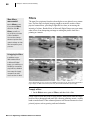
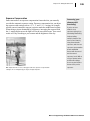
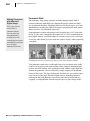
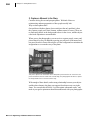
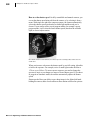
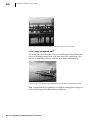
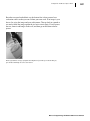
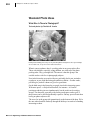
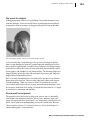
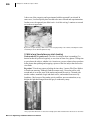
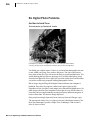
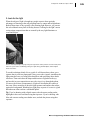
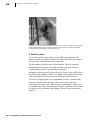
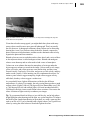
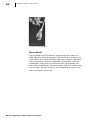
Shooting tips and notes The light you use to photograph antiques and relics
can help convey the sense of antiquity and enhance the atmosphere you’re
trying to create. You will likely have three lighting choices: flash, natural light,
or available (outdoor sunlight, or indoor tungsten or fluorescent) light.
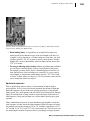
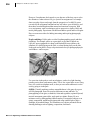
If you’re shooting indoors and you decide to use a flash, be sure to use a
bounce flash. Direct flash almost always creates a harsh effect, along with
deep shadows. Also, if you’re shooting indoors, natural window light (if it is
available) is the best option. Try to shoot using side light—the light falls on the
subject from one side. If you choose to use available indoor light, be sure you
use your tripod to ensure rock-steady crisp sharpness. In tungsten light, the
warm tint often helps create the atmosphere you want.
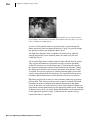
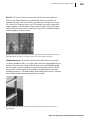
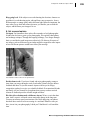
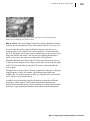
Outdoors, consider using your flash to fill in shadow areas and add pop to what
may be dull, faded colours.
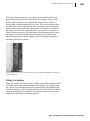
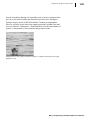
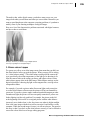
In almost every case, you’ll want to move in close to the subject to isolate it
from the contemporary surroundings. Try to frame the shots carefully to avoid
cropping later.
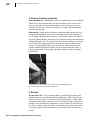
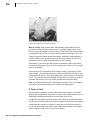
Whether you’re photographing alley art or antiques, veering off well-travelled
roads almost always provides nice rewards—including honing your eye for
unexpected photo opportunities, and adding some unexpected and interesting
photos to your collection.
Microsoft® Digital Image 2006 Suite Edition User’s Manual