1
CO penetrates the circulatory system through the lungs and combines with haemoglobin 240 times
more readily than oxygen. CO combined with haemoglobin is called carboxyhaemoglobin (COHb). As
the CO is accumulated in the blood, the body is more and more deprived of oxygen. When carboxyhaemoglobin levels reach 10 to 30%, symptoms of intoxication may become apparent : they consist
of headaches, nausea, confusion, dizziness and problems with eye-sight.
In the case of chronic exposure amounting to levels of carboxyhaemoglobin of 30 to 50%, the following symptoms are apparent : dyspnoea when making an effort, increase in respiratory and cardiac
frequency and fainting. When the level of carboxyhaemoglobin exceeds 50% a coma, convulsions and
finally cardiac and respiratory arrest may ensue.
Intoxication is a frequent source of medical complications (immediate death, damage to the myocardium, hypotension, arrhythmia, pulmonary oedema. The most insidious consequence may be the
delayed appearance of neuropsychiatric after-effects with neurological consequences especially for
children. Intoxication during pregnancy entails high risks for the mother as it increases the risk of short
term complications. The foetus risks death, abnormal development and brain damage due to lack of
oxygen.
Carbon monoxide intoxications are frequent and their consequences are very serious. They can cause
immediate death but may also entail complications and after effects which are often left untreated. It
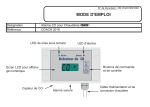
is therefore essential to avoid them by installing alarm and safety systems inside the home.
The content of this document can be changed without previous notice