1
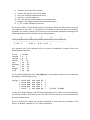
resnam -‐ the name of the residue, atnam -‐ the specific name of the atom, exp -‐ the acquired experimental value, useless -‐ always equal to 1 tol -‐ the tolerance associated to the measurement, weight -‐ the weight associated to the measurement, t_id -‐ a index related to the tensor. For all these fields a value should always be specified, unless the file contains only one PCSs dataset. In this case, t_id field can be omitted. In the case some not essential attributes are entirely missing, the remaining ones should be reported according to the following example line for the their correct interpretation: 1 2 3 4 5 123456789012345678901234567890123456789012345678901234 -‐-‐-‐-‐-‐-‐-‐-‐-‐-‐-‐-‐-‐-‐-‐-‐-‐-‐-‐-‐-‐-‐-‐-‐-‐-‐-‐-‐-‐-‐-‐-‐-‐-‐-‐-‐-‐-‐-‐-‐-‐-‐-‐-‐-‐-‐-‐-‐-‐-‐-‐-‐-‐-‐ 6 LEU H -‐0.03 1 0.15 0.25 1 As a general rule, PCSs attributes will be correctly interpreted if present within the following space columns: Field | Column resnum | 1 -‐ 3 resnam | 4 -‐ 9 atnam | 9 -‐ 12 exp | 16 -‐ 22 useless | 23 -‐ 24 tol | 26 -‐ 31 weight | 32 -‐ 37 t_id | 38 -‐ 40 For the XPLOR-‐NIH format (see “test_xplor.pcs” in the example files), PCSs are reported according to the following syntax: assign ( resid 999 and name OO ) ( resid 999 and name Z ) ( resid 999 and name X ) ( resid 999 and name Y ) ( resid 6 and name HN ) -‐0.4330 0.0000 In case of multiple datasets, the PCS values belonging to the same set are identified by the residue number associated to the lines which do not contain the information about the experimental value. Since no information about the weight associated to PCS values are included in the format, by default a weight of “1.0” will be associated. 2. 3. 4. 5. 6. 7. 8.