1
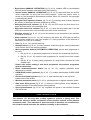
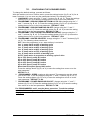
• the float switch has tripped (dirty
water tank), is clogged by dirt or
broken
• the suction hose is blocked
• the suction hose is not
connected to the squeegee or is
damaged
• there is no power to the suction
motor or the motor is faulty
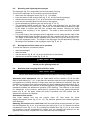
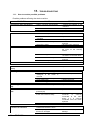
The machine does not move
The batteries do not provide
the normal work time
• check that the motor power
connector
is
correctly
connected to the main wiring
and that the fuse is not
blown; in the second case
have the motor replaced
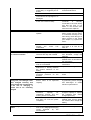
• release the emergency
button; make sure the motor
is connected correctly to the
main wiring; check the type of
alarm present on the board
(see chapter 11); replace the
motor.
• the motor thermal cutout has
tripped;
the
motor
has
overheated
• the batteries are flat
• stop the machine, turn it off
and leave it to cool for at
least 45’
• charge the batteries
• the battery poles and charging
terminals are dirty and oxidised
• clean and grease the poles
and terminals, charge the
batteries
• top up all the elements with
distilled water as described in
the instructions
•
see
battery
charger
instructions
• replace the damaged battery
• the battery charger does not
work or is unsuitable
•
there
are
considerable
differences in density between
the various elements of the
battery
• you are using the machine with
excessive pressure on the
brushes
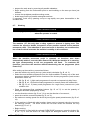
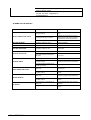
The electrolyte in the battery is
turbid
• unblock the hose
• connect or repair the hose
• the suction motor does not
operate
• the electrolyte level is low
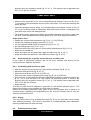
The battery discharges too fast
during use, even though it has
been charged correctly and
when tested with a hydrometer
at the end of charging, it
turned out to be uniformly
charged
• empty the dirty water tank or
reset the float switch
• reduce pressure on the
brush
• the battery is new and does not
deliver 100% of its expected
capacity
• the battery must be "run-in"
by performing 20-30 charges
and discharges to obtain
maximum performance
• the machine is being used at
maximum
capacity
for
continuous periods and the
working time is not sufficient
• the electrolyte has evaporated
and does not cover the plates
completely
• if possible, use batteries with
a higher capacity or replace
the batteries with others
charged previously
• top up all elements with
distilled water until the plates
are covered then charge the
battery
• The battery has reached the
end of the charging/discharging
cycles
declared
by
the
manufacturer
• replace the battery
ENGLISH
25