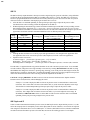
1
158
Sea-Bird Electronics, Inc.
1808 136th Place NE
Bellevue, WA 98005
USA
Phone: (425) 643-9866
Fax: (425) 643-9954
E-mail: seabird@seabird.com
Web: www.seabird.com
APPLICATION NOTE NO. 34
Revised January 2005
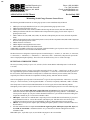
Instructions for Use of Conductivity Cell Filling and Storage Device PN 50087 and 50087.1
This application note provides instructions for use
of PN 50087 / 50087.1 syringe and tubing assembly
in rinsing, cleaning, and storing conductivity
sensors. The tubing assembly consists of a length of
6.35 mm (1/4 inch) I.D. tube connected by a plastic
reducing union to a short piece of 11.1 mm
(7/16 inch) I.D. tube. Refer to Application Note 2D:
Instructions for Care and Cleaning of Conductivity
Cells for information on water and solutions
recommended for use.
• SBE 9plus, 19plus, 25, and 49 are shipped with
PN 50087.
• SBE 16plus and 16plus-IM are shipped with
PN 50087.1, which includes the parts in 50087,
plus hose barbs to replace the anti-foulant cap
on the instrument. The hose barbs allow for
connection of the tubing for cleaning and
storing, as described below.
Procedure for Use
1. To fill the conductivity cell, draw about
40-60 cc of solution into the syringe.
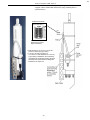
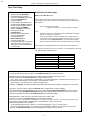
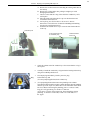
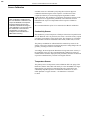
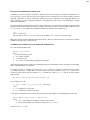
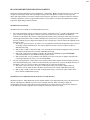
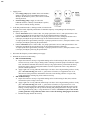
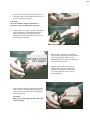
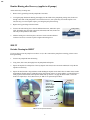
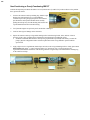
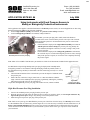
2. Connect the plastic tubing to the TC duct intake
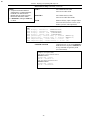
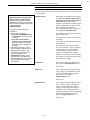
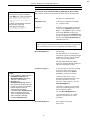
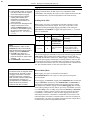
on the temperature sensor [Figure 1]
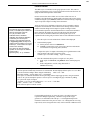
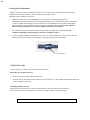
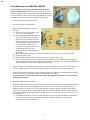
(or to the open end of the conductivity cell on
systems without the TC duct [Figure 2]),
and inject solution into the cell and
pump plumbing.
• CTDs with a TC duct or hose barb fitting remove the plastic reducing union and
connect the smaller diameter tubing directly
to the TC duct / fitting.
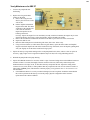
• CTDs without a TC duct or hose barb
fitting (older instruments) - leave the
reducing union and large diameter tubing
attached and carefully connect the tubing
directly to the end of the glass conductivity
cell [Figure 2].
3. (If applicable) Loop the rubber band around a
bar on the CTD cage and back over the top of
the syringe to secure the apparatus for storage.
REMOVE THE SYRINGE AND TUBING ASSEMBLY BEFORE DEPLOYMENT!