1
1. General information
Heaters type EJK are designed for heating water in open and closed
metal tanks, including enamelled domestic hot water tanks in particular. In
those tanks with anti-corrosion cathodic protection system using magnesium
anode or external current anode heating elements should be partially insulated
electrically from tank walls. Thanks to this, the electrochemical potential
difference between heating elements made of copper or special stainless steel
and the tank made of carbon steel is partially equalized in a tank filled with
water. This way the durability of heating elements and the life of the
magnesium anode are increased significantly.
The insulation of heating elements in EJK heaters is done by fixing them
in a casing wholly made of plastic, including the threaded part. A grounding
resistor of a suitable resistance is used for a partial connection of heating
elements with the tank. The resistor incorporates these elements in the tank
anti-corrosion cathodic protection system. This is an optimum solution to
protect the electric heater inside the enamelled tank from an accelerated
electrochemical corrosion, maintaining the tank cathodic protection and the
magnesium anode life.
2. Structure and technical data
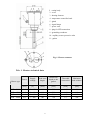
Heaters type EJK are made of tubular heating elements with an internal
resistance wire and a casing containing a three phase 400V power unit,
including a temperature controller with stepless temperature adjustment and a
non-automatic temperature limiter to protect the heater from overheating. The
temperature controller knob and signal lamps are situated in the cover closing
the upper part of the casing body. The lower part of casing body ends with a
head with a hexagonal socket for an S-60 wrench and a 1½” thread to screw
the heater to the tank coupling. If the hexagonal wrench socket is not
accessible, the heater can be screwed in similarly to a car oil filter for
example, that is, by holding it by the casing which is made of a durable, heatresistant plastic. Heaters structure scheme and their technical data are shown
in fig. 1 and in table 1.
3